How the best events build sustainability into every decision, from first concept to final piece of signage.
Audiences, clients, and sponsors expect events to take sustainability seriously, and they can tell when it's just a slogan. Teams that plan for sustainability from day one end up with better events, and greener ones too.
This playbook features actionable ideas you can take into your next project. It covers everything from reusable structures to local sourcing and community legacy, including how to set goals and measure progress. Each chapter shows what winning teams in Eventex Awards 2026 did and how you can adapt it to your own budget, scale, and audience.
Stands, stages, and scenery often get a few days of use before they're thrown away, which makes them one of the most wasteful parts of any event. Design them as modular, reusable, or relocatable systems, with a second life planned before the first build, and a one-off cost becomes an asset that keeps working.
Applicable strategies
Design for disassembly and record every component
Build only with reusable, traceable materials, and log structural elements, facades, and interior components in material passports: records of what each part is and how it can be reused. Design the structure so it can be taken apart and moved or reused once the event is over.
Tour in self-deploying trailer pods instead of booking venues
Build the exhibition from trailer pods that lift off their chassis, lower to the ground, and double in width on site, with modular layouts. That lets a long multi-country tour run outdoors, with no need for convention centers or permanent venues.
Share a stage set with a touring production after the event
Design the scenography from durable, recyclable materials as an asset you share with a touring production, such as a concert tour. Instead of being scrapped after one night, the set keeps working.
Build one pop-up system and re-localize it city by city
Set the brand codes once: materials, spatial logic, and interaction principles. Then design a modular architecture and content set that every stop on a national tour can reuse and adapt locally, rather than rebuild.
Specify flat-pack modules to fit more units per truck
Build temporary structures from a small set of base modules in standard lengths and heights that ship flat, not pre-assembled. More modules fit on each truck, so fewer trips reach the site.
Host many clients in one installation instead of many builds
Install one modular scenography in a single location, then swap the technical systems, scenery, and content for each client session. Setup and teardown stay minimal, and changeovers between sessions are quick.
Repurpose scenography from previous editions each year
Plan the set on a circular model, so part of each year's scenery and decor comes back from earlier editions. Those pieces get upcycled rather than built from scratch.
Prefabricate installations off-site and arrive with finished modules
Fabricate every zone installation in the workshop and arrive at the venue with finished modules, ready to assemble. Load-in is shorter, and less energy is used on site during setup.
Real-life examples
Hyundai Motorsport Pavilion at FIA World Rally Championship
AgencyMovico BV
Selected awardBronze in Tent / Temporary Structure
CountryNetherlands
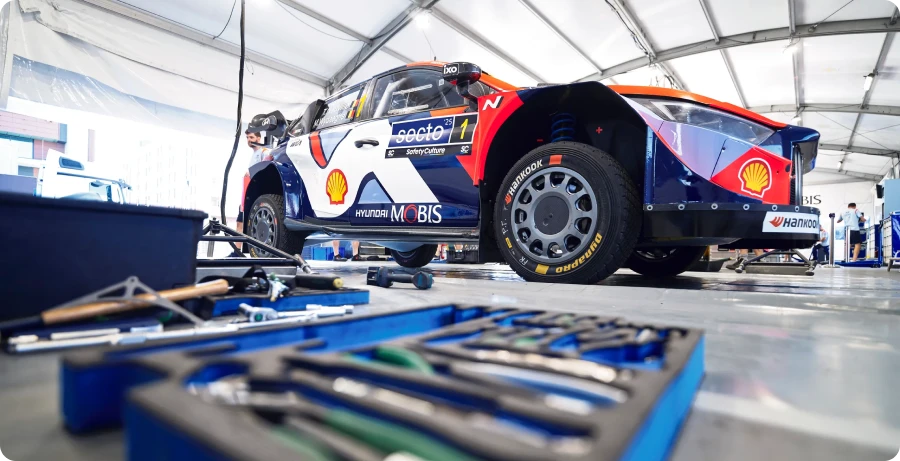
Hyundai Motorsport asked Movico to house the 75+ staff of its rally team at every European World Rally Championship round. The pavilion combined Movico's own structures: a triple-deck hospitality unit and a two-story engineers' office, connected to a tent structure. Every facility came pre-equipped with power, air-conditioning, heating, and toilets, and the pavilion was furnished with AV, an IT network, and furniture. The double-deck units ran on a hydraulic system, and a small team of event operators set up the whole pavilion in 3 days.
Movico reported cutting personnel from 24 to 8 people and transports from 12 to 5, along with a significantly lower ecological footprint.
GWM Vertical Frontier: Turning a Booth into a Live Off-road Experience
AgencyGeorge P. Johnson
Selected awardGold in Exhibition Experience
CountryChina
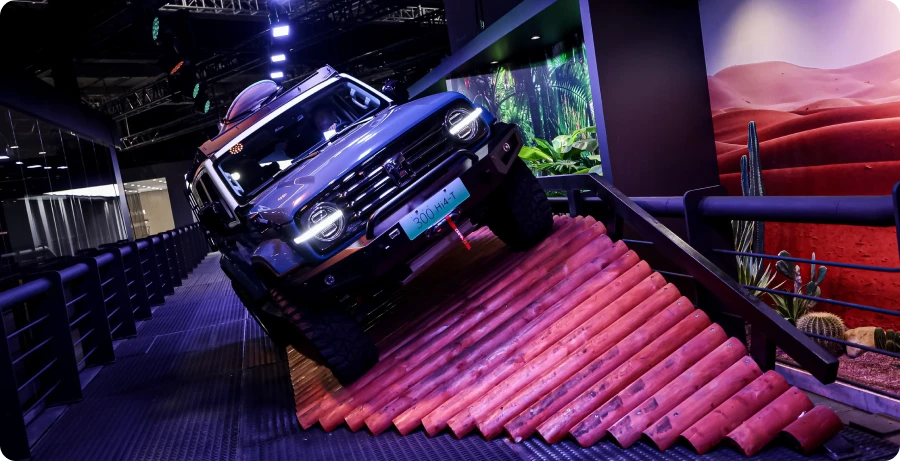
An automaker built a bi-level indoor off-road track inside a 6,611 m² stand and took it to three auto shows: Shanghai, Chengdu, and Guangzhou. The steel and track core was engineered as transportable modules to cut rework and waste, then de-rigged, shipped, and re-installed at each show.
The team reported that reusing the modules across the three shows cut repeat build costs by 39% compared with typical rebuild approaches, while keeping quality consistent.
Volvo Motor Expo 2025
AgencyGorilla Company Limited
Selected awardBronze in Brand Experience - Automotive
CountryThailand
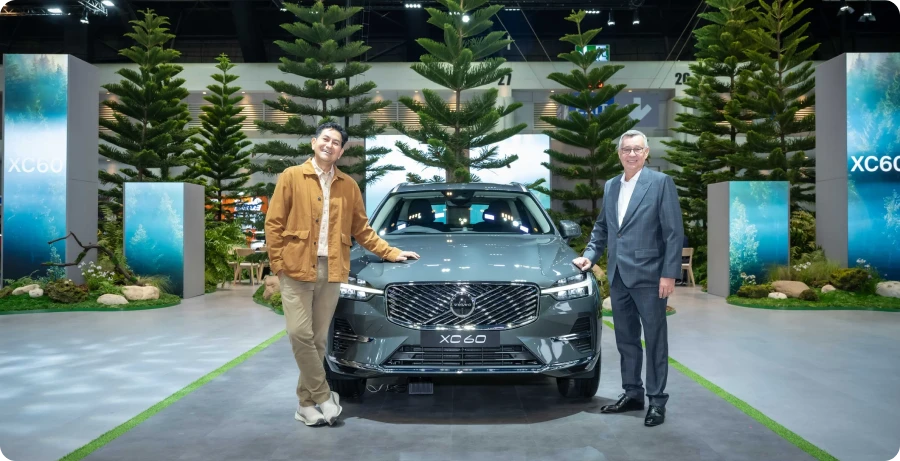
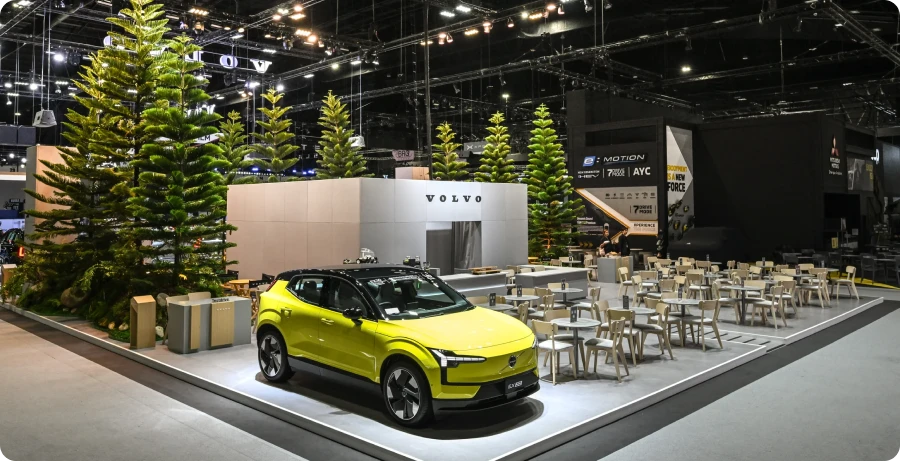
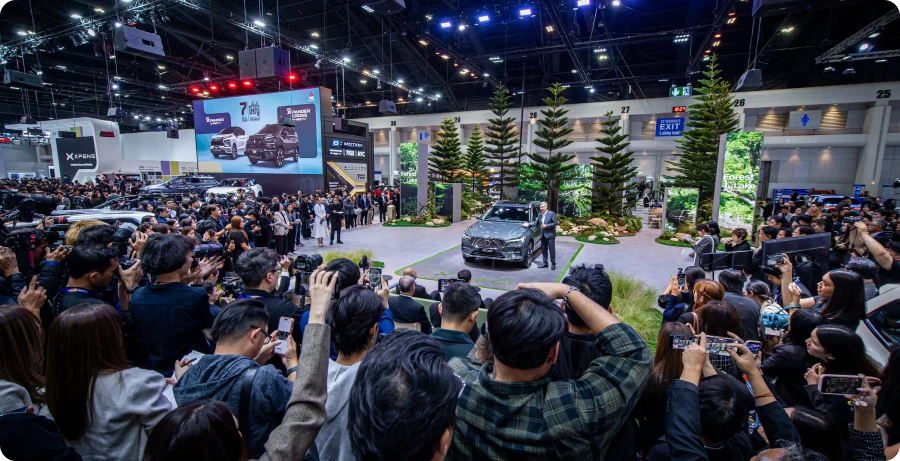
Big automotive exhibitions run on a linear cycle: build, display, dismantle, discard. To break it, the team chose structural components in the previous year specifically for multi-year reuse, including flooring, structural steel segments, and fabric walls. It then built them into the next stand in place of newly fabricated elements, following a design-once, reuse-many-times approach.
The team reported reusing 50% of structural components, which it said eliminated new production and transport emissions for those parts. Across the whole stand, which the team also redesigned in other ways, including a cut in LED use, it reported total emissions falling from 91 tCO₂e (2024) to 49 tCO₂e (2025), a 46.15% reduction.
XXXIV Colombian Congress of Dermatology
AgencyJuan Camilo Gómez / AsoColDerma
Selected awardSilver in Medical Congress
CountryColombia
This medical congress built its creative concept around Medellín's flowering trees and named sustainable practices and work with local suppliers among its goals. A Medellín artist created sculptural trees as visual anchors. The organizers used recyclable materials and, after the event, coordinated the dismantling and recovery of reusable creative elements.
The company said that twelve custom sculptural trees made by local artists were reused in later projects, reducing material waste.
Watch Salesforce’s Stuart Frank’s take on reusable structures.
Events produce a sudden, concentrated mix of cups, packaging, food, and build materials, and most of it lands in a dumpster within hours. Plan how each stream gets prevented, sorted, reused, or passed on, and that waste becomes a visible, reportable part of your sustainability plan.
Applicable strategies
Run a closed-loop reusable cup system with washing and returns
Partner with a reusable foodware provider to supply durable cups at every bar and food outlet. Collect them at dedicated return points, then wash, sanitize, and send them back out. Trial the system at smaller events first, build washing and collection areas into the site layout, and drive returns with an incentive, push notifications to ticket holders, and well-briefed customer service staff.
Put a reverse vending machine inside the brand activation
Place a reverse vending machine (one that takes back empty bottles and cans) right where drinks are sampled. Guests taste the product, then return the empty container on the spot. Recycling becomes a simple habit, and people learn how a deposit return scheme works by using one.
Give sorted recyclables to a local recycling cooperative
Work with waste partners to sort waste in real time, so every item from the event is tracked, then donate the recyclables to a waste pickers' cooperative. Rather than leaving with a general hauler, the materials become direct income for local workers.
Staff sorting stations and convert organic and residual waste
Set up staffed sorting stations in high-traffic and food zones, and brief volunteers and exhibitors on the sorting rules every day. Compost food waste on site, recycle the clean streams, and send what's left to become refuse-derived fuel (non-recyclable waste processed into fuel).
Enforce a single-use plastic ban through supplier requirements
Write a zero single-use plastic rule covering the venue, catering, and branding, and make it a condition for suppliers, not a request. Expect catering, branding, and logistics to be redesigned around it, and check that the rule is followed.
Turn banners, wood, and building materials into community projects
Track fabric banners, construction materials, and wood waste after each event, and route them to partners who turn them into community infrastructure, training resources, and skills development programs. Do the same across exhibitions, conferences, and public events until reuse is routine.
Rehome leftover branded items and flowers instead of discarding them
List leftover branded curtains, t-shirts, and similar items on an asset-rehoming platform where charities and community groups can claim them. Send event flowers to a care home or similar local organization, where people can enjoy them or use them in activities.
Scale catering orders to the exact number of diners
For every lunch, reception, coffee break, and dinner, confirm the exact number of diners and set production and supply orders to match. Preventing surplus food is far easier than dealing with it afterward.
Real-life examples
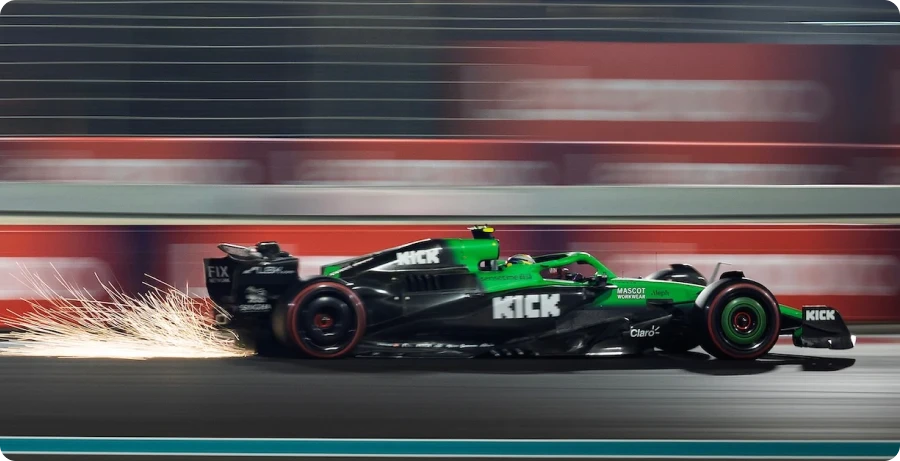
Formula 1® Etihad Airways Abu Dhabi Grand Prix 2025
AgencyEthara
Selected awardSilver in Sporting Event
CountryUnited Arab Emirates
Ethara teamed up with Again, Please by Polygreen to run a closed loop. Polypropylene cups went out across all beverage gardens, Oasis areas, and 90% of Etihad Park vendors, came back through dedicated return points, and were washed, sanitized, and sent out again. An incentive scheme, push notifications to ticket holders, and a fully briefed customer service team kept the cups coming back.
The team reported that reusable cups across 148 F&B outlets kept 500K+ single-use cups out of the waste stream, with an 82% return rate. Ethara and Again, Please also signed a multi-year agreement covering events at Ethara-operated venues, including Etihad Park, Yas Marina Circuit, and Etihad Arena.
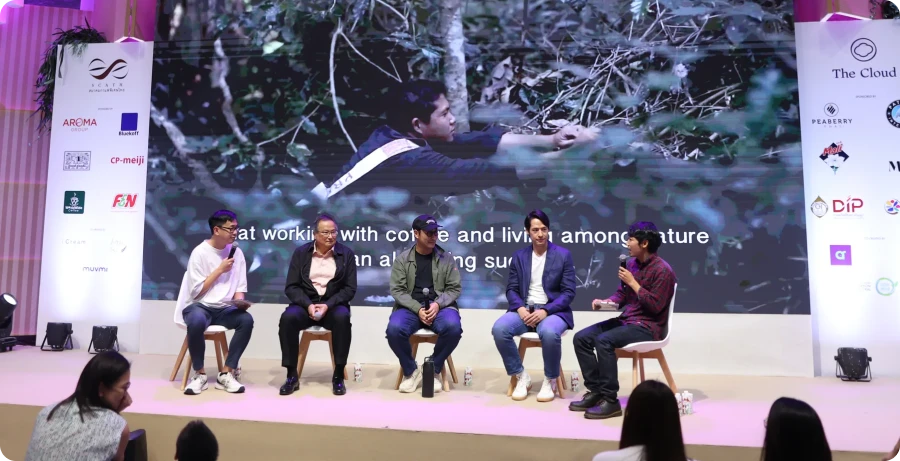
Thailand Coffee Fest 2025
AgencyThe Cloud
Selected awardSilver in Sustainable Event
CountryThailand
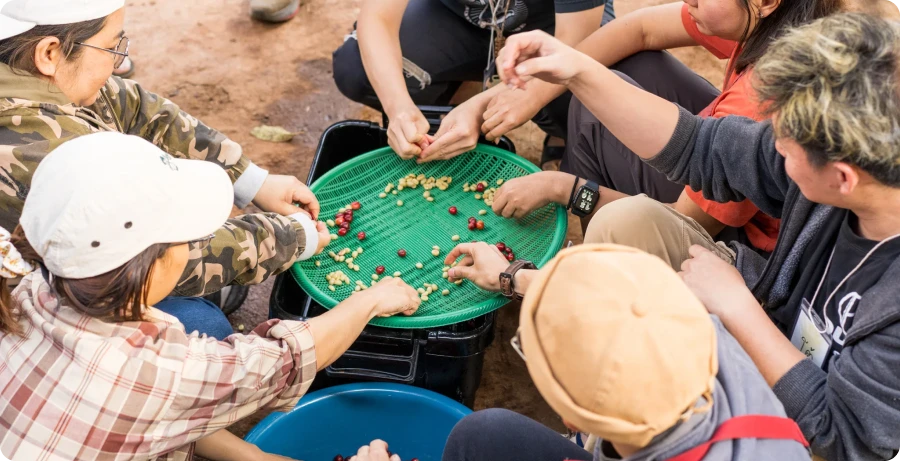
To control waste flow and contamination at a four-day festival with 112,791 visitors, The Cloud set up eight staffed sorting stations in high-traffic and food zones and briefed volunteers and exhibitors on sorting protocols every day. Food waste was composted on site. Bottles, cans, plastic cups, and lids were recycled, and residual waste became refuse-derived fuel.
The team reported composting 1,537 kg of food waste, recycling 1,097 kg, and converting 2,487 kg into refuse-derived fuel. It said staffing the stations improved sorting accuracy and reduced contamination.
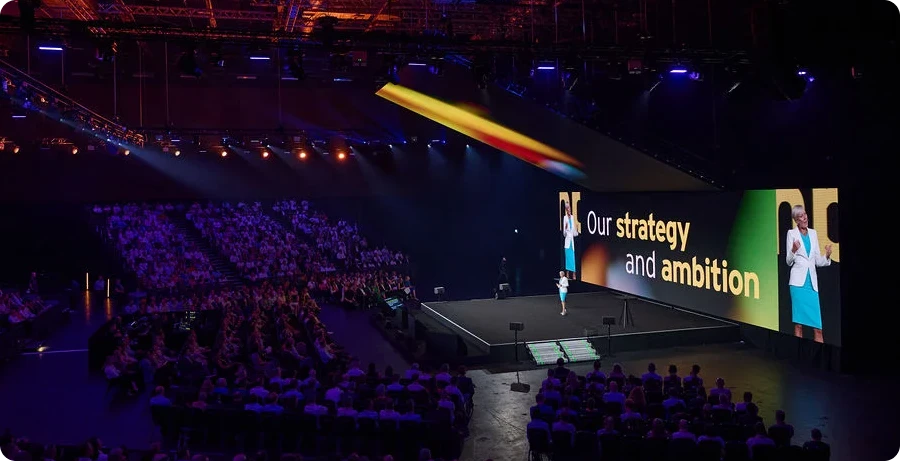
EY 2025 UK&I Super Region Launch Event, by EY UK&I
AgencySmyle
Selected awardBronze in Sustainable Event Concept
CountryUnited Kingdom
Catering for 1,300 delegates offered halal, kosher, gluten-free, and allergen-aware options alongside a mostly plant-based menu that prioritized UK-sourced produce. The team used portion control, reused scraps, and donated food, and steered guests toward low-carbon choices with transparent carbon labeling. Any food waste left over went to the venue's on-site wormery.
The team reported that 81% of food portions were vegetarian or vegan, up from 66% in 2024, and that 100% of food waste was processed through ExCeL London's on-site wormery.
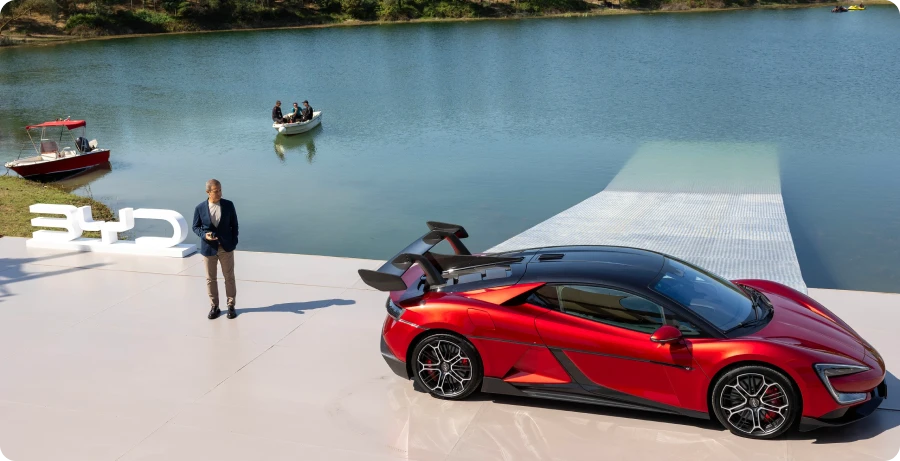
BYD Technology Show
AgencyOndokuz Organization
Selected awardBronze in Debut Event
CountryTürkiye
At a remote-site event, the organizer used its surplus food to feed the stray dogs living in the surrounding area.
The team reported that the surplus fed more than 100 stray dogs in the region for two weeks.
Travel, venues and location choices
For many events, the biggest share of the footprint comes from getting people and equipment there, and from whatever has to be built on site. Where you meet, which buildings you use, and how guests travel and sleep shape that impact long before any waste or energy decision comes up.
Applicable strategies
Stage the event where participants already are
Rather than moving a large group to one central stadium, run the program at the same time across several locations close to where participants are already based. Link the sites into one real-time live show, so the audience still experiences a single event.
Use existing landmarks as stages instead of building new ones
Keep one built main stage and broadcast extra performances live from places that already exist, such as churches, museums, canals, rooftops, and public squares. Temporary construction stays to a minimum.
Replace one central gathering with local editions per country
Break a central event into smaller local editions, so a few leaders travel to many attendees instead of the other way around. Keep one shared program structure and the same host, so every edition feels like part of the same event.
Choose idle land and keep site intervention minimal
For outdoor events, look for open land that isn't in use, such as fallow farmland, and disturb it as little as possible. Light walkways with solar-powered lamps, and use demountable staging and seating made from natural materials.
Turn the land around the venue into native parkland
Venue owners can replace the asphalt around them with native, drought-resistant planting that doubles as a public park. Event programs then gain new outdoor space to use.
Borrow temporary structures already planned for other city events
Check the local events calendar for marquees or other temporary structures booked around your dates. Keep one, customize it, and use it as a shared hub for arrivals and meals instead of putting up a second structure.
Partner with a rail operator to discount admission
Agree with a train company that guests who arrive by rail get discounted tickets, and promote the offer as part of the event's push for sustainable travel.
Selected awardBronze in Event Sustainability Solution
CountryFrance
Attendees couldn't see a hotel's sustainability certifications when they booked, and organizers only saw sustainability data in post-event reports, too late to influence behavior. The accommodation platform brought verified certification data to the moment of booking. It placed a live tracker on the booking homepage that showed the daily-updated share of attendees staying in certified hotels, putting social proof and peer pressure to work. It also added a one-click sustainable filter next to dates, rooms, and rates, and showed each property's eco-labels on hover.
The team saw sustainable bookings of 64.6% in 2024 and 73% in 2025, and linked the rise to its February 2025 platform redesign. Separately, it reported that certified properties within its 6,500+ property network grew from 12% (2024) to 15% (2025).
PPP Americas 2025
AgencyInter-American Development Bank (IDB)
Selected awardBronze in Sustainable Event
CountryPeru
The organizer wanted to widen access across the region while keeping travel emissions down. It positioned its live multilingual broadcast as a way to cut travel-related emissions, not as a replacement for attending in person. That meant rethinking production quality, content pacing, and language access for remote viewers who watch rather than interact, while still getting decision-makers into the room.
The organizer reported that 10,800+ virtual viewers followed the event remotely, which it described as lowering potential travel emissions. It also reported confirmed in-person participation from 30+ countries, which it said preserved decision-level engagement.
Ticino Convention Bureau: Bellinzona’s first multi-venue congress
AgencyTicino Convention Bureau
Selected awardGold in Immersive Venue
CountrySwitzerland
Once participant numbers and program density became clear, a single venue no longer suited the congress. The team spread it across three venues in Bellinzona's old town, all within walking distance of each other. Instead of a closed congress center, short car-free walks linked the sessions, guided by custom wayfinding signs and participant maps.
The team reported that the car-free transitions eliminated transport logistics, set a calmer pace in line with the congress theme, and kept flows between sessions smooth. It reported hosting 300+ participants in the medieval city center, across 3 venues within walking distance over 2 congress days.
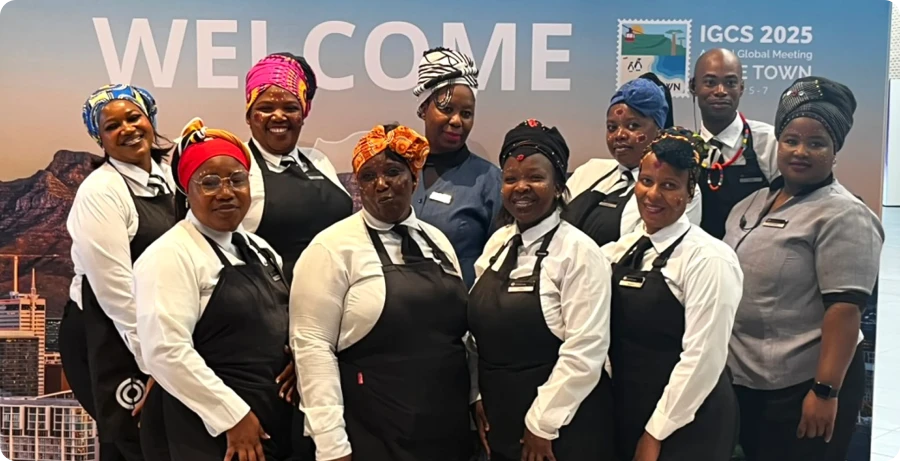
Skift Megatrends Cape Town, hosted by the Millat Group
AgencyChaos Theory
Selected awardBronze in B2B Event
CountrySouth Africa
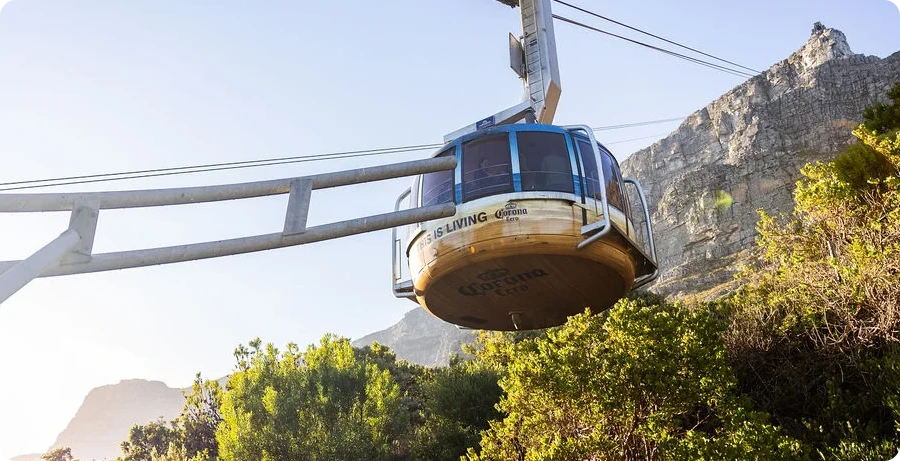
Access to the summit site was limited to a public cable car with only a few private-use windows, and environmental rules restricted any impact on the protected location. The team designed every part of the build to be light on footprint and fully compliant with conservation standards, and moved every piece of equipment up on the public cable car. That took precise load scheduling and close coordination between suppliers and crew.
The agency said that all equipment, crew, and materials traveled on public infrastructure, with load scheduling covering more than 120 people across suppliers and crew.
Goals, measurement, and governance
Sustainability only shapes an event when goals are set before the big decisions, the footprint is measured honestly, and someone owns the follow-through. Clear targets, credible numbers, and defined roles turn good intentions into choices that suppliers, budgets, and attendees can see.
Applicable strategies
Link every staff business trip to tree planting
Partner with a reforestation specialist so every employee trip automatically funds trees in a defined restoration project. Ask the partner to report trees restored, carbon dioxide captured, and water retained, so you can track the impact over time.
Build measure, mitigate, compensate, and certify into venue operations
Make emissions management a standard part of every event, not an add-on service. Monitor energy, waste, and resource use, cut emissions through efficient infrastructure and operational controls, and compensate for the rest through certified mechanisms. Back the whole cycle with annual third-party verification.
Calculate the full footprint with the national tool, then reduce
Use your country's official event carbon calculator to count emissions from transport, electricity, materials, waste, food and beverage, banners, and souvenirs. Cut emissions at the source first, and buy certified carbon credits only for what's left.
Show emissions on a live dashboard during the event
Put a live carbon dashboard on display while the event runs. Emissions become public in real time instead of turning up in a report weeks later.
Rank options with a basic, better, best decision hierarchy
Write measurable sustainability objectives into a sustainability management plan at the very start of the project, then score every supplier and design choice as basic, better, or best. Champion those objectives with internal stakeholders early to win leadership buy-in and budget.
Set environmental targets before confirming suppliers, venues, or formats
Agree on targets for emissions, single-use plastics, and circular materials before any contract is signed. The targets then steer supplier selection, budget allocation, and on-site decisions, rather than being bolted on later.
Assign sustainability delivery through a cross-functional RACI chart
Use a RACI chart (a grid showing who is Responsible, Accountable, Consulted, and Informed) to spread sustainability work across procurement, ESG, finance, legal, health and safety, and facilities. Schedule installations and upgrades around the live event calendar so operations keep running.
Score suppliers on carbon, local production, and packaging circularity
Add carbon footprint, local production, and reusable or recyclable packaging to your supplier evaluation criteria. That pushes sustainability back into the supply chain, beyond the point where guests consume a product.
Real-life examples
Volvo Motor Expo 2025
AgencyGorilla Company Limited
Selected awardSilver in Sustainable Event Concept
CountryThailand
One of the team's two stated objectives was verified carbon neutrality, with sustainability as a core part of the design language. Emissions were calculated across transportation, electricity, materials, waste, food and beverage, banners, and souvenirs under the standards of the Thailand Greenhouse Gas Management Organization, using the country's official event carbon footprint tool. The team cut emissions at the source first, then offset the remainder with certified carbon credits.
The team reported total verified emissions of 48.78 tCO₂e (metric tons of carbon dioxide equivalent), offset through certified carbon credits, and greenhouse gas intensity per attendee falling from 0.0530 to 0.0091 tCO₂e/person (-82.83%).
Kenes Forest: Planting a Legacy for a Greener Future
AgencyKenes Group
Selected awardBronze in Sustainability Campaign
CountrySwitzerland
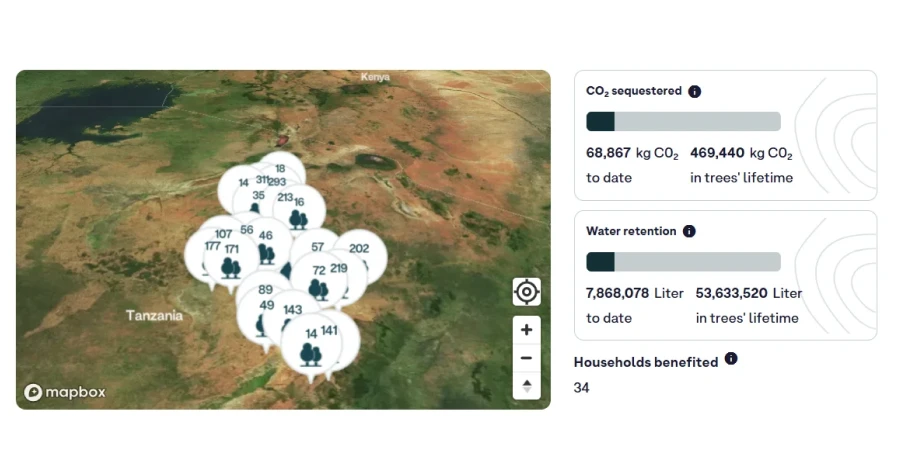
To mark its 60th anniversary with something lasting, the organizer set out to offset business travel emissions and restore degraded landscapes in Tanzania. Through a partnership with Treebytree, facilitated by Meeting Linq, each business trip its employees took helped plant trees there. The restoration used Farmer Managed Natural Regeneration (FMNR), which the team said empowered Tanzanian farmers and strengthened communities.
As of February 2026, the team reported 2,445 trees restored, 67,078 kg CO₂ sequestered, 7 million liters of water retained, and 34 Tanzanian households benefited. It projected lifetime figures of 469,000 kg CO₂ and 53 million liters of water.
Thailand Coffee Fest 2025
AgencyThe Cloud
Selected awardSilver in Sustainable Event
CountryThailand
At this high-volume festival, a live carbon dashboard showed emissions while the event was running, which moved sustainability from post-event reporting to public accountability. Planning for materials, waste stations, carbon tracking, and visitor flow started at the design stage, before exhibitors were allocated.
Across the whole event, the team reported total emissions of 1,194 tCO₂e, down 4.48% year on year even though attendance grew 10.26%.
ESVS Annual Meeting 2025
AgencyCongress by design
Selected awardSilver in Scientific Event
CountryTürkiye
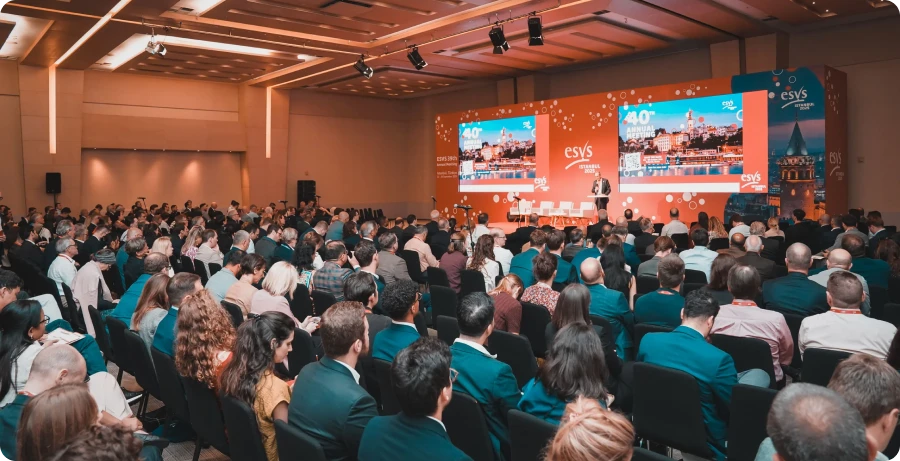
The association behind this congress made long-term sustainable development one of its strategic objectives. To deliver on it, the organizer combined a custom sustainability plan, carbon footprint measurement, and travel behavior analysis.
The team reported that the full congress carbon footprint was measured and reported for the first time, and that structural operational changes brought emission-related costs down from €34,000 to €8,000.
Energy and water management
Power and water are among the most visible footprints of any event, from generators humming behind the stage to cases of bottled water at every bar. Handling both well cuts emissions and running costs, and it often makes the event more resilient when the grid or local water supply is under strain.
Applicable strategies
Make drinking water on site from air at free refill stations
Place atmospheric water generators (machines that pull moisture from the air and turn it into drinking water) across the site, and feed them into free public water stations. Help guests change their habits: map refill points in the event app, add clear signage, allow personal refillable bottles, and offer certified paper cups to anyone without one.
Replace diesel generators with temporary solar, batteries, and biofuel
Work with a temporary-power partner to scale up temporary solar capacity for event week, and run the remaining generators on biofuel instead of diesel. Revisit the power plan every year and grow the renewable share with each edition.
Run venue plumbing and landscaping on treated wastewater
In water-scarce areas, install dual plumbing (two separate pipe networks), so toilets run on treated effluent from a local wastewater facility while drinking water stays separate. Use recycled water for all landscaping and keep potable water for people.
Fund rooftop solar through a zero-upfront power purchase agreement
Sign a power purchase agreement, a long-term contract where a provider installs and maintains the panels and the venue buys the electricity at a fixed price. The venue pays nothing up front, and the provider carries the performance and maintenance risk. Connect live dashboards that track generation, carbon savings, and financial performance for transparent reporting.
Shrink LED wall surface area at the design stage
Cut energy demand before it exists by designing stands and stages around physical space and immersion, not ever-larger media walls. Recalibrate the lighting so the brand stays visible without screens dominating the build.
Let guests pedal to power the lighting
Set up a bank of stationary bikes wired to theatrical lighting columns, so attendees make the light themselves as they ride. Energy becomes a hands-on experience, and the audience becomes part of the atmosphere.
Connect building systems and sensors into one smart platform
Bring energy, building, and facilities management systems into one connected platform, fed by power meters, cooling meters, indoor air quality sensors, and automated lighting controls. Run analytics on that data to plan predictive maintenance and optimize energy between event changeovers.
Switch off climate control whenever the space opens up
Give convertible event spaces, such as a glass canopy with a retractable roof, their own heating and cooling system, separate from the main building. On good-weather days, when the walls or ceiling open up, switch that system off.
Real-life examples
Formula 1® Etihad Airways Abu Dhabi Grand Prix 2025
AgencyEthara
Selected awardSilver in Sporting Event
CountryUnited Arab Emirates
The organizer cited F1's impact report, which attributed 12% of emissions to event operations and 1% to fuel burned on track. Working with Aggreko, the team increased temporary solar capacity, expanded battery energy storage, and ran its temporary generators on biofuel.
The team reported 3X the temporary solar capacity of 2024, a 6X expansion in battery storage, 100% biofuel for temporary generators, clean energy powering Turns 2, 5 and 9, and a 1MW solar parking lot generating up to 30% of the circuit's energy needs.
Volvo Motor Expo 2025
AgencyGorilla Company Limited
Selected awardSilver in Sustainable Event Concept
CountryThailand
At Thailand's International Motor Expo, automotive brands competed with escalating LED architecture, amplified sound, and kinetic staging. The brand wanted to scale back that energy-hungry digital setup and still stand out. So the team traded screen escalation for spatial immersion, reduced the LED surface area, and recalibrated the lighting to keep the stand readable without a dominant media wall.
The team reported that LED surface area dropped from 280 sqm to 21 sqm (-92.5%), and that electricity emissions came to 3.2836 tCO₂e (metric tons of carbon dioxide equivalent), or 6.73% of the total footprint.
Century City Conference Centre
AgencyCentury City Conference Centre and Hotels
Selected awardSilver in Large Venue
CountrySouth Africa
Facing national grid problems and load shedding, the conference center invested in more solar capacity. The aim was to rely less on the grid and keep events running through power outages.
The venue saw a R1 million investment in 2024 that added 60.5 kWp (kilowatts of peak output) of solar capacity, and said the expanded array covered approximately 25% of its operational energy needs. Separately, it reported that its solar PV system generated 253,928 kWh of clean power in 2024.
Rooftop Terrace - International Spy Museum
AgencyInternational Spy Museum
Selected awardBronze in Rooftop Venue
CountryUnited States
The museum's Facilities team managed building energy, water, and gas use around peak operating hours and after-hours private events. The museum also reported that usage every year under Washington, DC's Clean and Affordable Energy Act of 2008.
The museum reported that in 2025 it recorded a 22% year-to-year average decrease in building energy, water, and gas usage since opening in 2019. It credited the Facilities team's management of usage around peak operating hours and after-hours private events.
Local sourcing, community and legacy
Where an event buys its goods and services, and what it leaves behind, shape both its footprint and its welcome. Local suppliers mean shorter supply chains and money that stays in the host community. Trained people, protected places, and new visitor habits can outlast the event itself.
Applicable strategies
Open a local training academy ahead of a major event
Where local event education is thin, start training host-country professionals to international standards well ahead of the event. You're left with a pool of trained local freelancers for future events, rather than flying in crews every time.
Attach a conservation grant fund run with an environmental nonprofit
Fund protection and restoration projects through a grant program run by an established environmental NGO. The activation ends, but the conservation legacy stays.
Manufacture temporary structures in the region where they are used
Build the structure system in the region where it will be used, instead of importing it. Long-haul shipping drops, and the supply chain becomes more resilient.
Contract local businesses for catering and technical support
Build a network of nearby caterers and technical firms, and hold them to the standards the event requires, such as global broadcasting requirements. The event takes root in the community, and local economic benefit comes first.
Time the program around a local tradition, not tourist attractions
Pick dates tied to a local holiday that hasn't been commercialized, and invite guests into the community's own preparations. Coordinate everything with local people, not chain hotels and large tour operators.
Run daily tastings of local ingredients with a food organization
Pair a chef with a local food organization to serve standing, shareable tastings made from regional ingredients. It supports regional producers and gets people talking about local food heritage and sustainability.
Let visitors rebuild a product's recycling journey with their hands
Set up a large analog game where groups arrange oversized blocks into the steps of purchase, use, collection, and recycling, with quizzes and team games around it. People learn the circular system by doing it, not by watching it.
Set a measurable share of vendors to source locally
Write a local-vendor target into the execution plan, alongside rental and reuse of materials. Track it in reporting that follows recognized sustainability standards such as GRI (the Global Reporting Initiative guidelines).
Real-life examples
2025 Starry Taitung
AgencyTaitung County Government
Selected awardBronze in Outdoor Event
CountryTaiwan
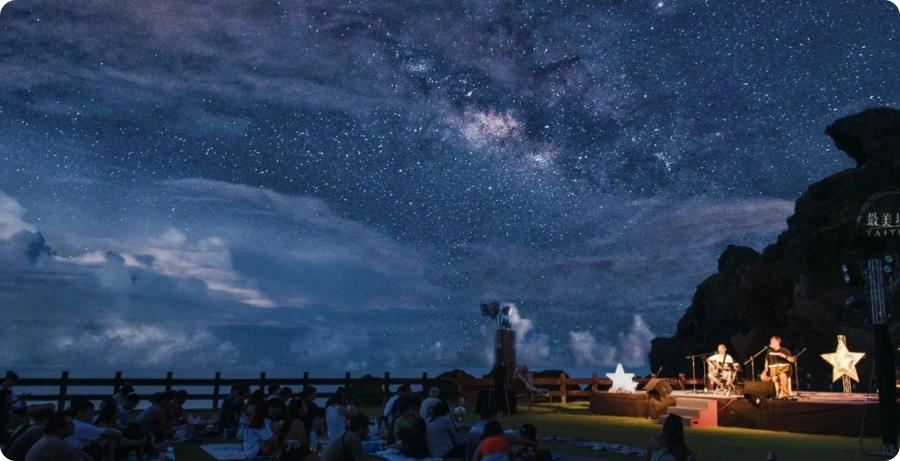
Working with astronomers, the Taitung County Government introduced a Sustainable Stargazing Guide that pairs low-light education with sustainability principles. It covered viewing techniques, certified sites, and responsible practices, and encouraged other townships to adopt the same approach. Alongside the guide, the organizer ran a stargazing guide training and retraining program for local youth and hospitality operators to build local guiding capacity.
The organizer reported 60 tours in 2025 and 200 trained guides, which it described as a sustainable network.
Century City Conference Centre
AgencyCentury City Conference Centre and Hotels
Selected awardSilver in Large Venue
CountrySouth Africa
The venue treated sustainable sourcing as part of its philosophy, directing a share of its supplier spend to sources within 160 km to cut transport emissions and support local farmers.
The venue reported that 55% of its supplier spend went to local procurement, and said the ripple effect supported over 300 jobs.
XXXIV Colombian Congress of Dermatology
AgencyJuan Camilo Gómez / AsoColDerma
Selected awardSilver in Medical Congress
CountryColombia
The organizers made sustainable practices and collaboration with local suppliers one of their strategic objectives. Three Medellín artists brought the concept to life: one created the sculptural trees, one designed the logo and botanical illustrations, and one developed a multisensory room. Local suppliers and designers were part of the event, too.
The organizers reported that working with local suppliers and designers strengthened Medellín's creative economy.
Low-impact materials and circular supply
Stands, sets, graphics, flooring, and giveaways often end up in the trash once the show closes, so material choices decide much of an event's waste. Choose recycled and certified materials, plan where each item goes afterward, and a one-off build becomes something you can reuse, return, or recycle.
Applicable strategies
Assign an owner and timeline to every step of the loop
Map the full chain: collection, waste handling, processing, manufacturing, installation, and post-event recovery. Give each step a named owner, a timeline, and a quality standard, so recycled material actually comes back as a usable product.
Build decor from materials in the client's own supply chain
Swap vinyl, gypsum, and disposable builds for a lightweight material the client's industry already handles, such as product sacks used as modular decor. Plan to hand the material back to growers or exhibitors after the show.
Plan every natural set element's afterlife before install
When a set uses real trees, moss, or plants, decide in advance whether each piece will be replanted, recycled, or rebuilt as a living green wall in an office. Source them from partners who can take them back.
Make the signature feature itself the recycled material
Build the stand's most visible element, such as an overhead installation of hanging fins, from a recycled material like recycled polycarbonate (a tough, clear plastic). Light it so the feature does double duty: visual impact and a practical job like sound dampening.
Create presence with system build and suspended fabric
Keep built structures to a minimum with system build (reusable modular frame and panel kits) and cladding, and add scale with suspended fabric that packs flat. Let lighting create the drama, not heavy custom construction.
Reuse transport wraps as props for content shoots
Hold on to the textiles and plastic sheets that protect set pieces in transit, and use them as backdrops or props in promotional videos. That saves buying new production materials for content.
Print graphics with vegetable-based inks on certified stock
Specify vegetable-based UV inks on FSC-certified materials (paper and board from forests certified by the Forest Stewardship Council) for scenic graphics. Plan the printed package so it can be recycled or donated after the event.
Match every quote against existing reusable stock first
Before ordering anything new, check each quoted solution against stock already in the warehouse and reuse what fits. Pair this with PVC-free graphics (free of the vinyl plastic common in banners) and recycled, recyclable carpet.
Real-life examples
RETILE FLOOR- Sustainable event flooring
Agency4foreverything
Selected awardGold in Event Sustainability Solution
CountrySpain
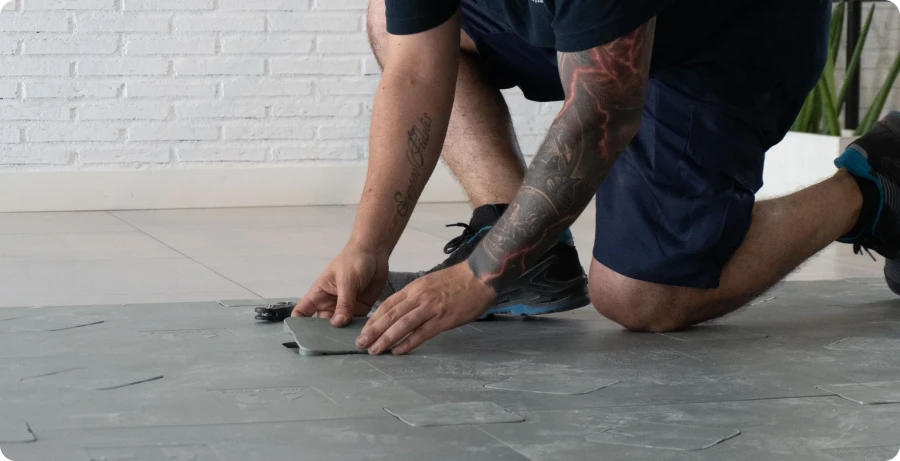
The team went after carpet waste in the trade fair industry. It collected end-of-show carpet made entirely of polypropylene and turned it into pellets, which were injection-molded into modular tiles that are both recycled and recyclable. The team designed the tiles to replace traditional wooden subfloors and return to the trade fair circuit. They were first used at Airspace World (FIL, Lisbon), May 13–15, 2025.
The team reported 16.4 kg CO₂ avoided per m² installed and a carbon footprint up to 83% lower than wooden flooring. It also reported that end-of-show carpet was redirected from landfill or incineration and turned into a reusable flooring asset.
EY 2025 UK&I Super Region Launch Event, by EY UK&I
AgencySmyle
Selected awardBronze in Sustainable Event Concept
CountryUnited Kingdom
For a 1,300-delegate event, the team co-designed a low-waste production setup with its appointed suppliers. Rental, reuse, and recyclable materials were the priority from the start, and single-use materials were eliminated.
The team reported that nothing went to landfill: 93% of materials were recycled and 7% reused or donated. It also reported 1.42 metric tons of waste in total, a 75% reduction compared with 2024.
Mews Unfold 2025
AgencyMews
Selected awardBronze in Gamified Experience
CountryNetherlands
In 2024, umbrellas, socks, tumblers, and similar items were freely available. Feedback showed attendees took whatever they wanted, partner engagement was limited, and leftover merchandise became waste. So the team replaced the giveaways with a stamp-card store. Attendees earned stamps by visiting partner stands, attending demos, and completing activities. Most items came in limited quantities, priced in stamps by rarity and desirability, and handed out first come, first served. That made higher-value pieces possible without producing one for every attendee.
The team reported that not a single item of merchandise was left by the end of the event, and that approximately 70% of attendees engaged with the gamification.
Digital tools and paperless operations
Every printed ticket, badge, brochure, and form has to be produced, shipped, handled, and thrown away. Move those touchpoints onto phones, screens, and scanners, and the material disappears, while organizers gain live data to plan food and resources more precisely.
Applicable strategies
Digitize the whole participant journey, not just the ticket
Map every piece of paper a participant touches, from sign-up to the end of the event, then replace each one. Think credentials stored in Apple or Google Wallet, real-time updates over messaging apps, digital slips, and certificates issued instantly after the event.
Run the event platform on serverless infrastructure
Ask technology providers whether their platform runs on serverless infrastructure, a cloud setup that uses computing power only when the platform calls on it, instead of keeping servers running nonstop. It targets the energy use of the digital layer itself, which paperless strategies often overlook.
Scan crew at catering points to order food just in time
Link catering-station scanners to the crew database so organizers see live counts of who's eating, not estimates. Use those numbers to adjust food volumes during the event instead of ordering for a guessed headcount.
Issue one RFID credential for access, zones, and meals
Give every staff member a single RFID chip (a small radio tag read by scanners) that handles accreditation, zone access, and catering. Track meal redemptions in real time across all food vendors, with no paper meal tickets or manual tallies.
Back touchscreen information points with a local server
Replace printed brochures with touchscreen modules that offer information in the languages your visitors speak. Host the content on a local server on site so it loads quickly, even when trade-show internet is unreliable.
Log leads straight into the CRM instead of paper forms
Have stand staff log each meeting directly in the customer relationship management (CRM) system during the event. Combine badge scanning with structured data imports, and every lead lands in one database with no paper form involved.
Hold every session ticket in one in-app wallet
Store every ticket a delegate holds, from sessions and workshops to symposia and networking events, in a single wallet inside the event app. Scanning from the app handles access control instantly, and no paper tickets get printed or lost.
Swap printed wayfinding for digital screens
Use digital signage for directions, and transparent displays in the foyer in place of printed boards. Keep any remaining print to what the event truly needs.
Real-life examples
Bangsaen21: AI & Biometric Digital Ecosystem for Mass Participation
AgencyMICE & Communication Co., Ltd
Selected awardBronze in Use Of Technology
CountryThailand
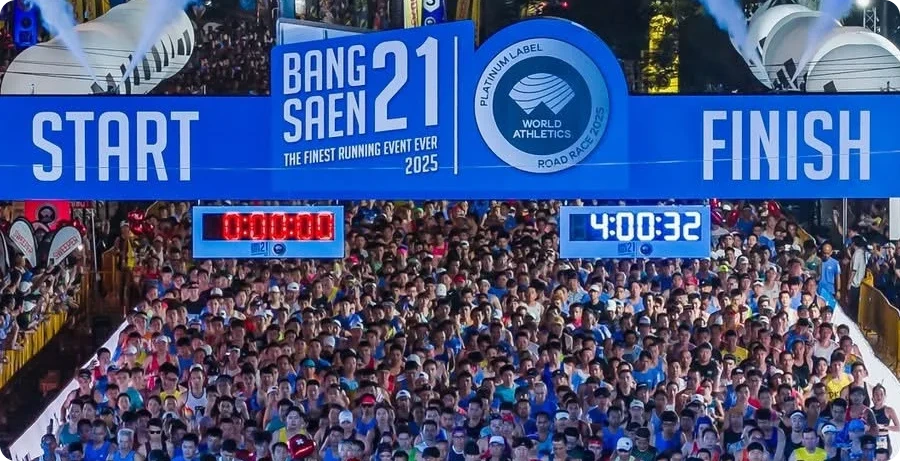
For a mass-participation run with more than 13,000 runners, the organizer took the whole runner journey digital: runner cards in Apple or Google Wallet, real-time tracking through LINE and WhatsApp, and instant eCertificates.
The team reported that its paperless flow, including digital certificates and e-slips, eliminated more than 40,000 sheets of paper.
Jomablue
AgencyJomablue
Selected awardGold in Event Management Solution
CountryAustralia
This event technology provider built its platform on serverless infrastructure and tackled print from two directions: attendee badges on recyclable Smart Badge stock, and event content delivered digitally.
The team reported up to 82% lower energy consumption than traditional architectures, with 99.9% platform uptime maintained across all deployments. It also reported that recyclable badging and digital content delivery together cut printed materials by up to 67%.
The Event Verse - Crew Hub
AgencyThe Event Verse
Selected awardBronze in Event Management Solution
CountryUnited Kingdom
At festivals, the platform tracked crew scans at catering stations and gave organizers live volume reporting, using RFID scanning linked to its crew database.
The team described this as a significant waste reduction: real-time RFID tracking enabled just-in-time catering adjustments at 2025 festivals and, it reported, saved clients tens of thousands in over-ordering costs.
In closing
You don't need to adopt everything in this book at once. Pick the practices that fit your next event, set a clear goal for each, and decide up front how you'll measure it. Bring your suppliers, venues, and partners in early, because most of the gains in these chapters came from decisions made long before the doors opened.
Then share what you learn. Write down what worked, what didn't, and what you'd change, and carry those lessons into your next brief. Every event you produce is a chance to leave a lighter footprint and set a stronger example for the industry.
Never miss an insight worth reading.
By providing your contact information, you agree to our Privacy policy, and you authorize Eventex Awards to contact you with more relevant information about the awards. You can unsubscribe at any time via the “Unsubscribe” button at the end of each email.
Información sobre la industria de eventos que realmente merece la pena leer, en el momento justo
Recibe información del sector, acceso anticipado a informes y contenido valioso directamente en tu bandeja de entrada.
Escrito por:
Tsveta van Son
Especialista en redacción publicitaria
Como redactora, editora y traductora experimentada, Tsveta escribe para Eventex, donde cubre desde tendencias de marketing experiencial hasta las historias detrás de las campañas más premiadas del sector de los eventos. Con formación en periodismo y debilidad por la gramática islandesa, cree que el mejor contenido es preciso, útil y nunca aburrido.
Índice
Participa en los Eventex Awards
Consigue que tu trabajo sea reconocido a escala mundial
Impulsa la visibilidad, las ventas y los ingresos de tu marca