.svg)
.svg)



Tsveta van Son
October 2, 2026
Read time:
min
Award-winning strategies for attendee engagement from the latest edition of Eventex Awards.
“Engagement” has become one of the most overused words in our industry. Every proposal promises it. Every recap claims it. Almost none explain how it actually happened.
This playbook takes a different approach. Every strategy and example on these pages is drawn from real Eventex Awards entries — work that has been submitted, scrutinized, and recognized by our expert jury.
You will find specific, transferable ideas you can adapt to your own audiences, formats, and objectives. Read it as a working reference — a collection of proven moves from teams who have already made engagement measurable, and have an Eventex award to back it up.
All Eventex Awards 2026 winning entries were examined — 925 across 467 winning projects — yielding 1118 distinct engagement strategies.
| Engagement approach | Projects | Tactics |
|---|---|---|
| Immersion & Sensory World-Building | 250 | 367 |
| Co-Creation & Participation | 121 | 141 |
| Gamification & Play | 115 | 140 |
| Personalization & AI Matchmaking | 94 | 110 |
| Community & Belonging | 81 | 99 |
| Recurring Rituals & Serialized Formats | 59 | 62 |
| Creator & Influencer Activation | 51 | 61 |
| Structured Networking & Deal Engineering | 31 | 36 |
The strongest event experiences don’t ask an audience to sit and watch — they physically transport people into a story and let the space do the talking. Across this pool of 250 projects, immersion appears in every form with one common thread: turn a passive spectator into someone who moves through, feels, and co-creates.
Instead of loading VR with visuals, remove sight entirely and drive the experience through sound alone, so participants inhabit someone else’s lived reality rather than watching content about it.
Design a physical journey where each space is an act, converting walking into story progression.
Conceal the hero product or moment inside a physical device — a curtain, a countdown, a working machine — so anticipation compounds before the payoff.
This includes engineering everything — sound, light, scent, touch — to a script. Sequence senses across acts to pace emotion.
Distribute wireless LED wristbands networked into the show controller so the audience lights up on the narrative beats.
This means that coordination will create the spectacle. Frame-sync projection, LED, lasers, lighting, and live action into a single show-control system.
Put the action in the center and let attendees surround it, embodying equality and encouraging participation.
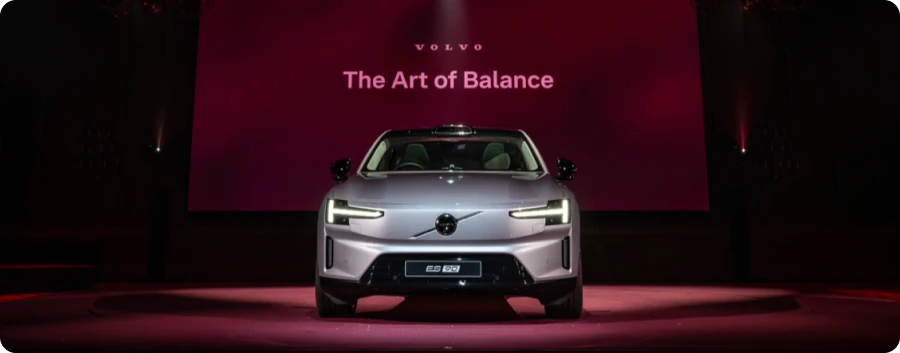
In a category where audiences instantly compare specs and price the moment a car appears, the team concealed the vehicle inside a functioning hourglass that held it within a timed sequence, so the emotional frame was set before anyone could judge the product.
Post-launch, Volvo moved from 4th to 2nd (then #1 within 5 days) in Share of Voice in Thailand’s premium segment, positive sentiment reached 53.5% (13pts above segment average), and coverage focused on brand philosophy rather than specs.
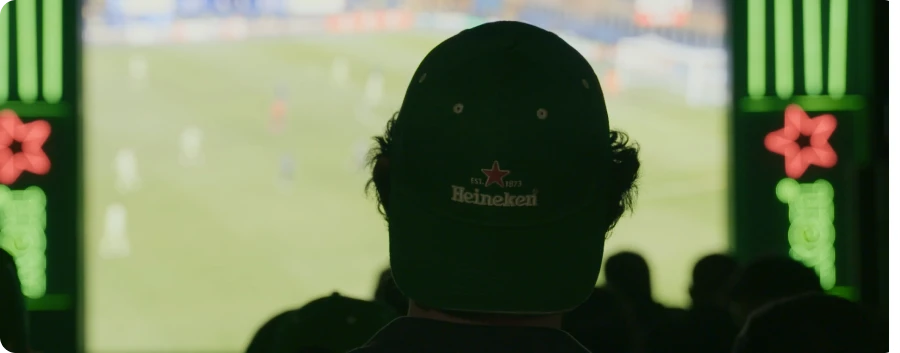
To break through apathy toward an obligatory corporate meeting, the team disguised the event as a dull workshop, then staged a scripted system failure mid-speech that pivoted a plain room into a hidden, fully produced set behind curtains — with influencers briefed to withhold broadcasting so the twist landed simultaneously across markets.
The campaign reached over 23 million people at US$0.004 cost per contact, US$565,000 PR value and 227% ROI versus previous campaigns, generating over 240 spontaneous fan publications, 82% of which landed in Tier 1/2 outlets.
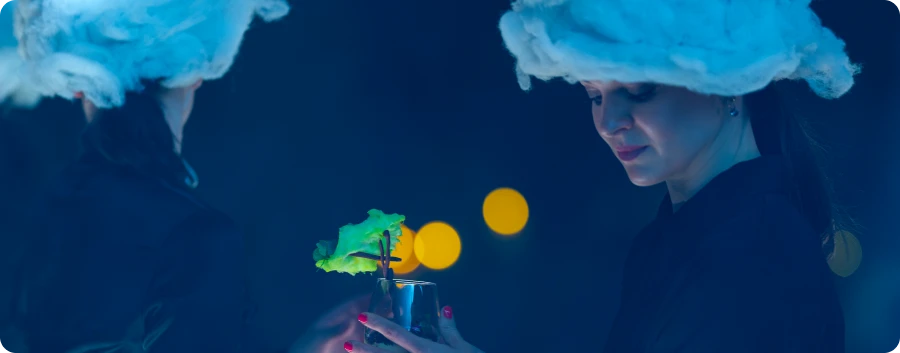
Rather than have a human host lecture guests about conservation, the team removed the moderator entirely and made the room itself narrate — trees, leaves, moss, birds and fungi becoming the storytellers through sound, light and installation.
One installation let guests hear the changing music of the forest’s elements responding to temperature, light, and noise; in a survey, 100% of guests said synergy between humans and nature is rarely discussed in business.
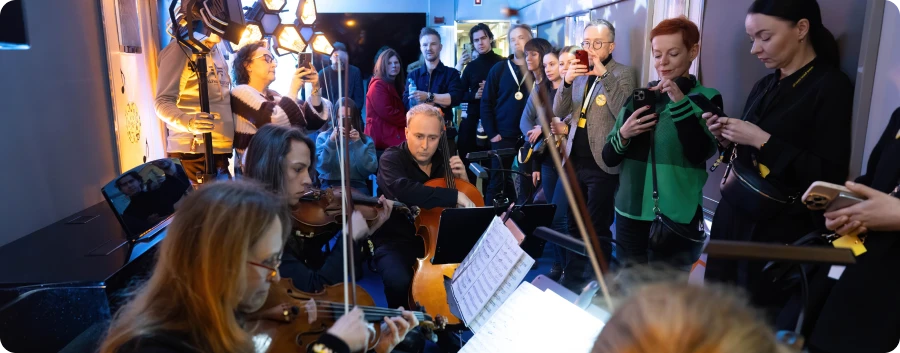
To reach people who would never buy a ticket to a classical gala, musicians performed open-air concerts directly on the platforms and halls of five major Polish train stations, converting incidental foot traffic into an audience.
Unplanned passers-by spontaneously stopped, recorded the performances, and stayed until the end — turning, as the entry puts it, a place of haste into a place of mindfulness and pause.
The moment an attendee stops watching and starts making, the event becomes theirs. A color applied to a building, a note claimed forever, a doodle brought to life turns a spectator into a protagonist with a story to tell.
Rehearse two complete versions of key moments and let the crowd trigger which plays out using a low-friction signal you can measure instantly.
When most of your audience is remote, offer each person a tiny, permanent piece of a symbolic act they can own and share.
Give visitors a simple on-site control — a color picker, a flashlight, their own voices — and wire it to something big and visible so the collective choice instantly changes the world around them.
Instead of polling for preferences, put the event’s funding to a transparent community vote, so the audience formally approves what it pays for.
Put each guest into a short scripted scene on a real set, film them, then quickly edit and hand back a personalized clip as a souvenir they will share.
Run a structured submit-curate-review workflow so members build and deliver the sessions, raising relevance and peer-learning credibility.
Scan a drawing, a voice line, or a written message on the spot and project it, moving and reacting, inside the shared environment so people see their authorship in the room.
Give each person a hands-on act — a splash of paint, a removed tile — that visibly adds up to a shared statement they can point to.
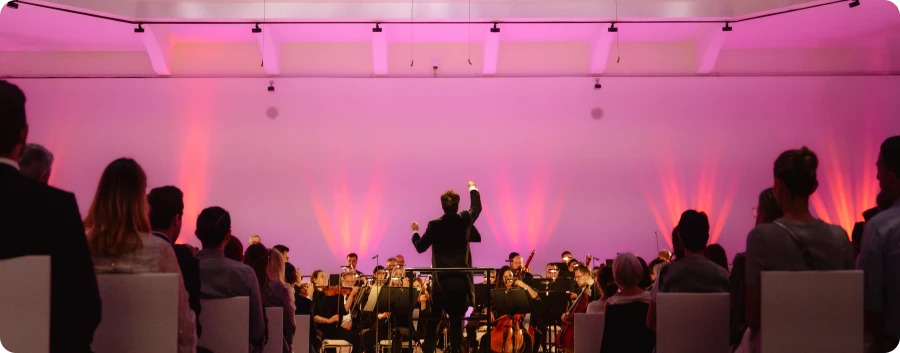
A global broadcast is passive by nature, so the team broke the score of The Blue Danube Waltz into 13,743 individually claimable notes on a microsite, letting each participant attach their name to a piece sent into space.
All 13,743 notes were claimed within a few weeks by participants from 92 countries, at an average of ~300 notes/day.
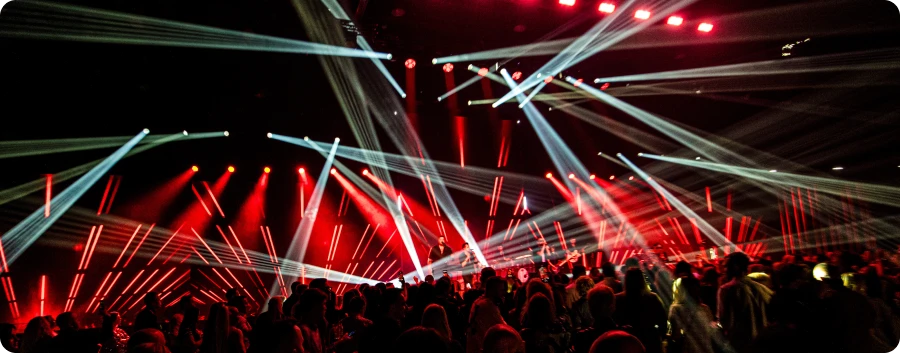
To make a gray Polish winter feel vibrant, the team turned a real building into a giant coloring book, giving passersby a digital interface to pick a color and see it applied instantly to the façade.
Nearly 50,000 people visited over 8 days, and the restaurant was colored live nearly 3,000 times.
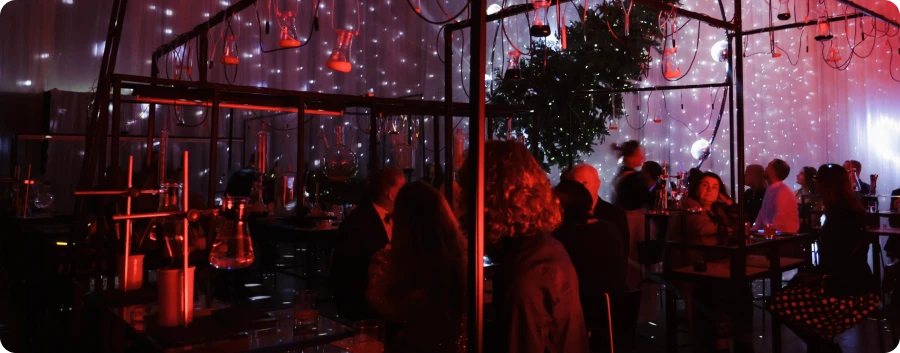
Wanting visitors to feel like co-creators across 43 sessions, the team wired motion and gesture sensors into shared surfaces so footsteps and hand movements generated light and music directly.
On average, participants triggered 8-12 interactive moments per session, over 90% of attendees actively interacted with the event’s installations overall, and visitors described themselves as “contributors” and “shapers of the performance.”
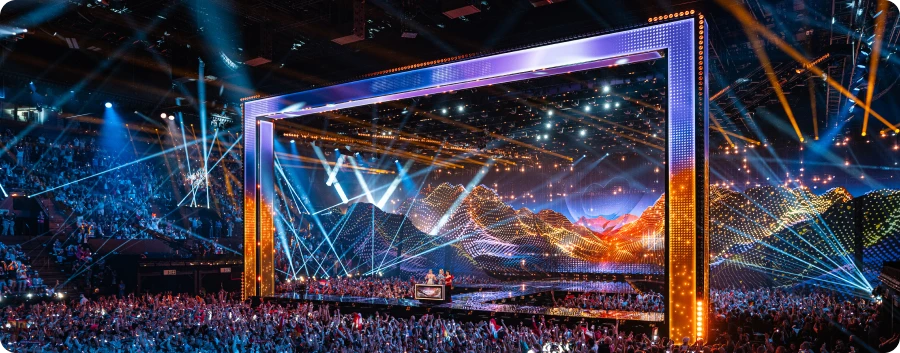
Rather than centrally program every activation, the team built a peer-to-peer platform (with Swiss Solidarity) where citizens launched their own neighbourhood concerts, charity drives and cultural exchanges under the event banner.
Hundreds of grassroots activations were created, and the platform kept running 9+ months after the event as a lasting civic engagement model.
Play works at events because it flips people from watching to doing. Across this pool of 140 tactics drawn from 115 projects, the mechanisms range from simple stamp cards to CRM-linked leaderboards and product-as-key escape rooms — and the strongest ones don’t just add a game on top of the content; they make the game carry the message.
Take a piece of information you’d normally broadcast and bury it as the reward at the end of a multi-stage game, forcing people to play and collaborate to reveal it.
Build puzzles that cannot be solved without actively operating the feature you’re promoting, converting a passive demo into hands-on proof of utility.
Take a technical or business idea and rebuild it as a tangible mechanic so the concept is learned through play instead of a slide.
Wire your event app to the systems that record what participants do, and push those results onto phones, screens, and stage visuals in real time. Instant feedback drives urgency and repeat play.
Give participants a physical card that only fills up if they visit multiple points, then reward a completed card. This converts venue navigation into a checklist journey.
Instead of a scripted opener or an envelope moment, stage a competitive, participatory format that pulls attendees on stage or into the outcome.
Let attendees earn points or coins for visiting stands, completing demos, or joining sessions, then set up a store where they cash in for merch or rewards.
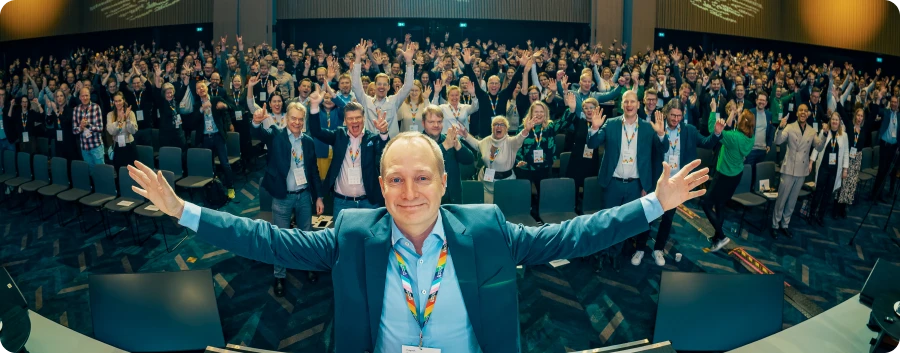
Posti needed a sales kick-off across five countries to produce actual commercial results, not just inspiration. The team built Myyntimyrsky (Sales Storm), integrating a custom app with Salesforce so every call, lead, and meeting streamed instantly to a live leaderboard on phones, screens, and stage visuals — turning individual work into a shared competition.
Over 1,000 outbound sales calls, 600+ customer conversations, and 300+ qualified follow-up meetings happened during the event, with approx. €400,000 in additional sales attributed to Sales100 by year-end and 93.5% rating the event extremely useful.
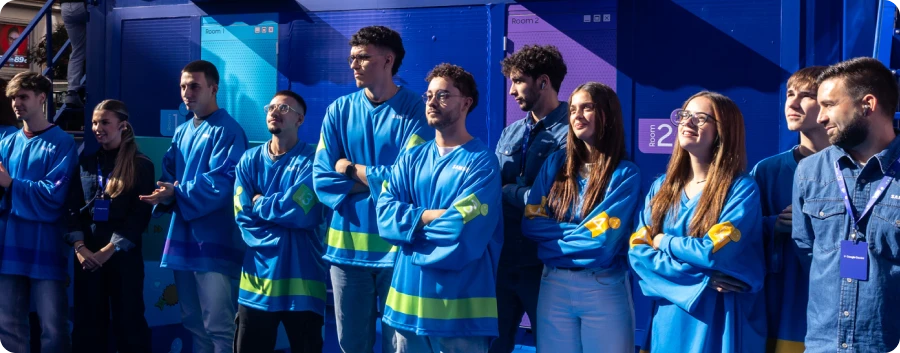
Samsung wanted Gen Z to see Gemini Live as a useful tool, not just a feature on a spec sheet. ACCIONA built escape rooms across 15 university stops with puzzles that could only be solved by actively using Gemini Live on Galaxy devices, so the product became the key rather than a passive demo.
The roadshow engaged 115,000+ participants and generated 120,000+ registrations.
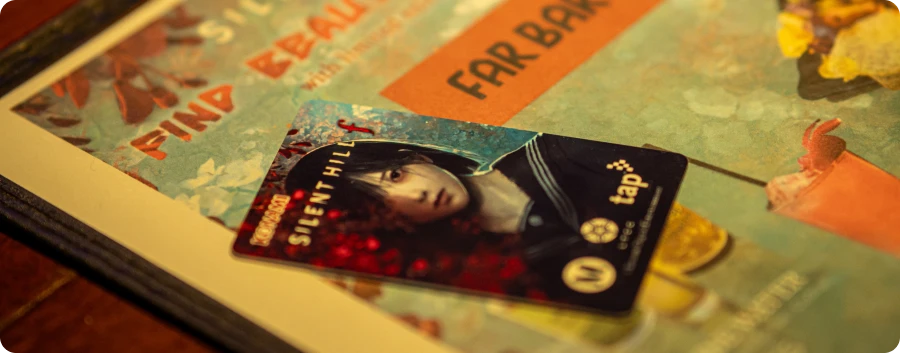
Rather than concentrate the launch at one anchor site, the team used a gamified “Offering Card” — a cryptic map requiring stamps from 10+ local business partners — to spread foot traffic across the whole neighborhood.
Partnered restaurants reported a 25-40% boost in sales during launch weekend, and the exclusive swag tied to the stamp system ran out ahead of schedule due to unprecedented demand.
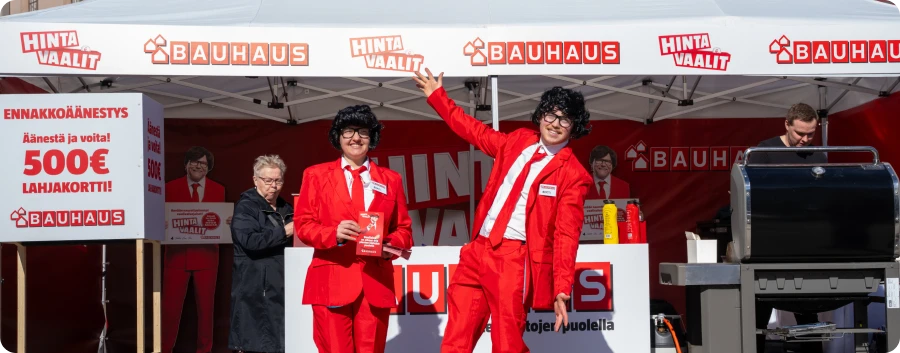
BAUHAUS needed to make an abstract “low prices” claim tangible in a noisy discount market. The team built physical election-campaign tents — complete with election coffee and grilled sausages — where customers could vote for low prices, meet a brand personality playing a “price candidate,” and redeem a reward, turning an ad message into a social in-person ritual.
More than 2,000 people voted, nearly 500 customers redeemed a free product in-store, and customers queued before opening on election day; during the campaign period sales rose +17.0% (~€1.8M) and footfall +14.24% YoY.
At its best, personalization makes a person in a crowd of thousands feel individually seen — whether the tool is a generative-AI engine or a live announcer with a microphone. The mechanisms in this pool run from vision-AI portrait pipelines to hand-marked cups, but they share one loop: take something about the individual and reflect it straight back to them.
Staff a bar-style counter with experts who run your live tools in front of each visitor to hand them an instant, tangible result for their own idea, shifting the pitch from “what we have” to “what you can make.”
Capture a selfie or scan an object on-site, run it through generative or vision-AI, and hand the guest a one-of-one artifact within minutes — the key is throughput, so many people get a unique output fast rather than staff crafting each one.
Run AI facial-recognition matching against biometric markers so each person retrieves their personal images in seconds instead of scrolling through thousands.
Give the audience a named agent that recommends sessions, answers questions, or reframes a new tool as a partner rather than a threat.
Capture each attendee’s goals, sector, and funding stage at onboarding, then pre-schedule curated meetings so people spend time only on relevant conversations.
After the event, generate an individualized summary of what that person did, said, or achieved — and deliver it fast, while the experience is fresh.
Analyze pre-event participant data and arrange table groups so like-minded or complementary people are seated side by side rather than randomized.
Instead of one universal program, design several parallel paths and let each attendee pick, giving personal relevance while keeping a shared underlying format for cohesion.
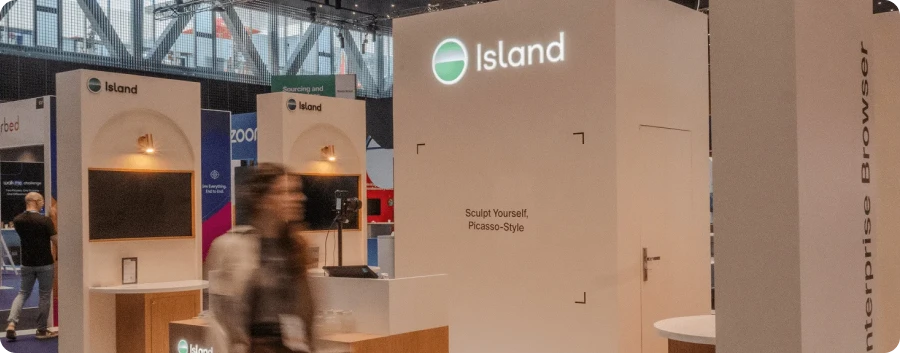
Island needed to convert brief, high-volume booth visits at the Gartner IT Symposium/Xpo Barcelona into memorable brand experiences under heavy foot traffic and minimal staffing. Each visitor’s photo ran through an automated generative-AI-to-3D pipeline that rendered them as a Cubist sculpture live on LED walls, and they left with a printed postcard within minutes.
The result: marketing-qualified leads nearly doubled versus the prior Gartner Orlando event despite ~20% fewer attendees, opportunity creation rose 175%, and the system is being rolled out to at least three more 2026 global events starting with RSA Conference.
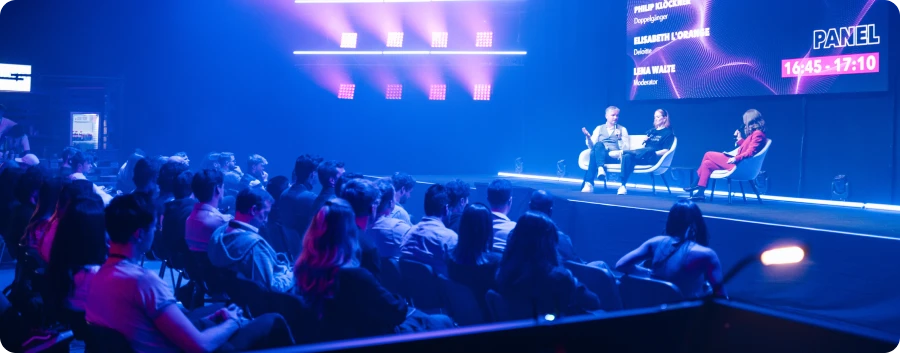
With 7,000+ attendees including 1,350+ startups and 1,000+ investors, the event prioritized relevant connections over scale, swapping spontaneous networking for an algorithm that pre-scheduled 1:1 meetings by funding stage, sector, and intent.
It facilitated more than 12,000 curated one-to-one meetings; investor demand closely matched startup supply, and 94% of attendees said they would attend again.
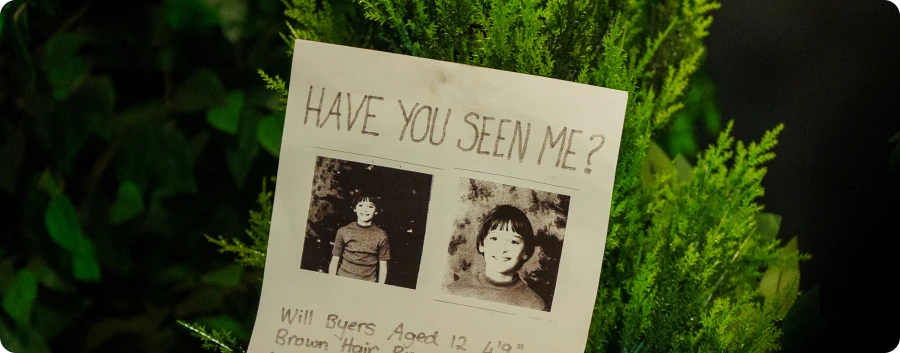
To make fans feel like individual “citizens” of the show’s world, guests took an in-app selfie that was instantly rendered into a branded, character-style physical card, with collecting the cards built into the journey.
Over 5,000 personalised hero cards were printed on-site and taken home, kept circulating online for weeks, and formed part of the shared content that contributed to 4.8 million organic Instagram Stories reach across 1,000+ tagged posts.
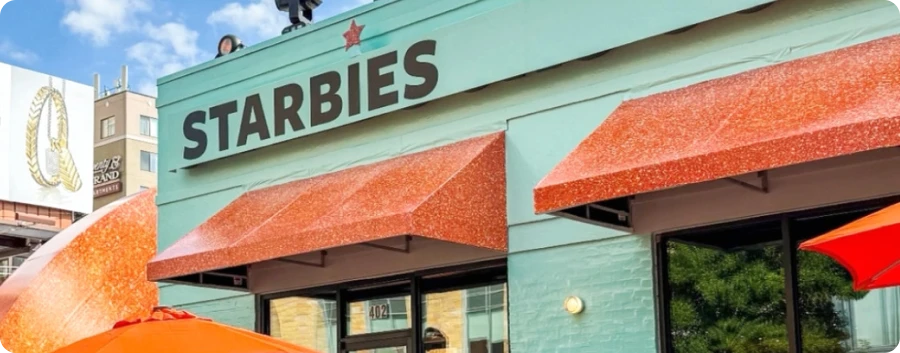
Free beverage sampling at scale risks feeling transactional, so the team added a tiny personal touch: each cup was hand-marked by staff, converting an anonymous giveaway into an individual gift that reinforced community identity.
This was part of an activation that delivered more than 121,000 total beverage experiences overall.
People come to events to feel part of something, and the strongest entries treat that hunger as a design problem to solve on purpose. This is a broad, well-worked family — from crowds performing one action together, to leaders stepping down off the stage, to a token everyone carries home — and the best moves are cheap to run and easy to copy.
Turn security from invisible infrastructure into a recognizable brand with its own name, tagline, and visual iconography (an open-hand symbol) tied to local language, applied across signage, alert buttons, and intercoms so attendees emotionally recognize it as part of the experience.
Set up a physical exchange space where colleagues can only “spend” smiles, thank-yous, and appreciation, giving people from different departments a structured, low-stakes excuse to recognize one another.
Instead of broadcasting recognition at a distance from one stage, give each group intimate executive access and a private toast for winners and guests, trading spectacle and production cost for authentic connection.
Give your launch a name, symbol, and mythology, then induct guests so they feel they are joining something rather than watching a product.
Replace professional acts with peers on stage, so the audience becomes a supportive community cheering its own.
Hand every attendee a prop at check-in, then stage a single moment when everyone activates it together — a camera-ready image that turns a scattered audience into one visible group.
Distribute a physical talisman — a bracelet, bead, or charm — that recipients wear or assemble, turning an abstract value into something they can hold.
Instead of a room and a bar, design specific low-friction prompts and stations that give strangers a reason and a format to talk.
Direct part of the ticket price to a named beneficiary so buying in becomes a values-driven decision, not passive consumption.
Take executives off the elevated stage and put them at floor level, seated among attendees, or serving the room.
Ask everyone, including senior executives, to wear the same unifying garment.
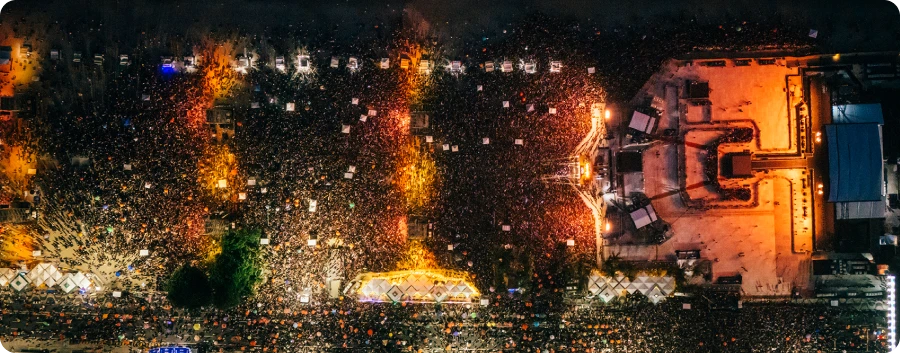
Facing a Copacabana Beach crowd of over two million, organizers needed the mass of people to feel like one participating group rather than a passive concert audience.
They scripted a synchronized sunset ritual with custom video on large screens, inviting everyone to take part at the same moment.
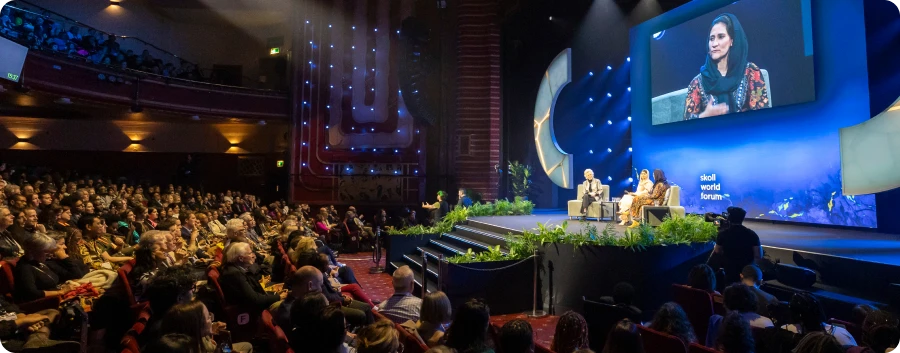
Standard networking at a 1,500-plus gathering of social-change leaders felt transactional, so the team replaced open mingling with designed micro-rituals throughout the venue: benches with vulnerability prompts, water “re-storying” stations, deep-dive dinner questions, and a communal gratitude tree.
As many as 78% of attendees pointed to these moments as the source of their most meaningful connections at the forum.
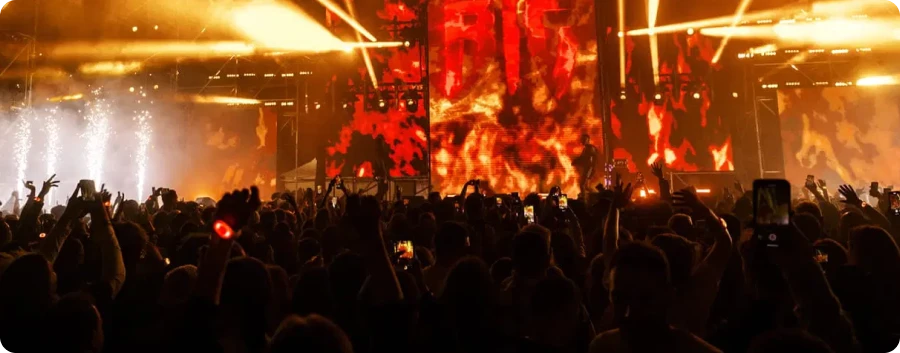
To narrow the gap between leaders and a large distributed workforce, leadership swapped formal speeches for hands-on participation, including a C-level Show where executives cooked for employees.
Feedback described the day as a shared celebration, and the festival reached an NPS of 94.
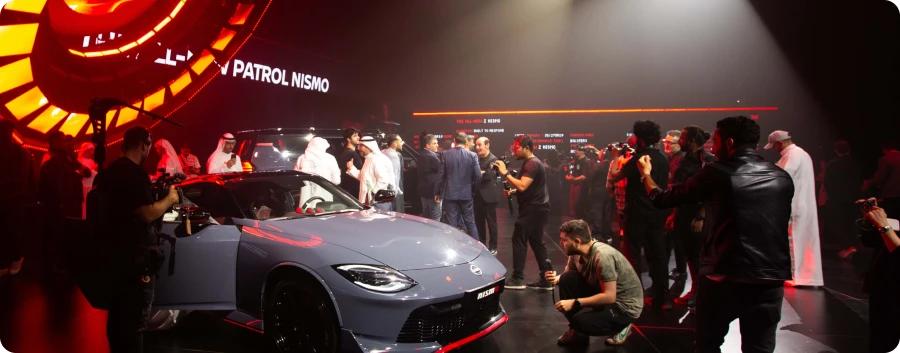
Tasked with launching two very different vehicles under one identity for a loyal fanbase, the team invented a fictional secret brotherhood and staged the launch as an initiation into it.
The reveal became a membership moment: 250+ VIP attendees from 6 countries, 100% positive sentiment, and 37.9M total social reach.
Most events are still designed as a single spike — build, peak, gone. The strongest work here does the opposite: it spreads engagement across time, so a briefing becomes a story people follow, a light show becomes a nightly habit, and a keynote moment gets a second life after the room empties.
Reframe a standard briefing as a continuing narrative — a new themed chapter each cycle, or episodic content released across the year — so people follow along rather than merely attend.
Structure the campaign as three sequential visits rather than one event: an initial community grounding visit with local leaders and influencers, a public disruption visit with street theatre, and a reinforcement visit in schools using an interactive game, so the message repeats across different spaces.
Instead of a one-off spectacle, install a repeating nightly activation that residents and visitors encounter again and again.
Design the installation as a short seamless narrative that visitors can enter or leave whenever they arrive, lowering the commitment barrier for casual foot traffic and encouraging repeat drop-ins across the run.
Drip clues across influencer and brand channels for weeks so audiences speculate and share theories before you show anything.
When a series spans a kick-off, virtual deep dives, and local events, run one continuing storyline whose episodes end on a hook, pulling the same audience into the next touchpoint.
Run short spectacles on a set interval and use visible countdowns plus MC announcements so people plan to come back to the same spot.
Open the space for a repeating free program so people build the venue into everyday routine, and add a pipeline that culminates in a live finale.
Turn session transcripts, summaries, and reports into a gated, always-live library people return to between editions.
Take the format that worked live and keep it running on a cadence — a monthly award, a weekly session — embedded into normal routine so momentum doesn’t drop.
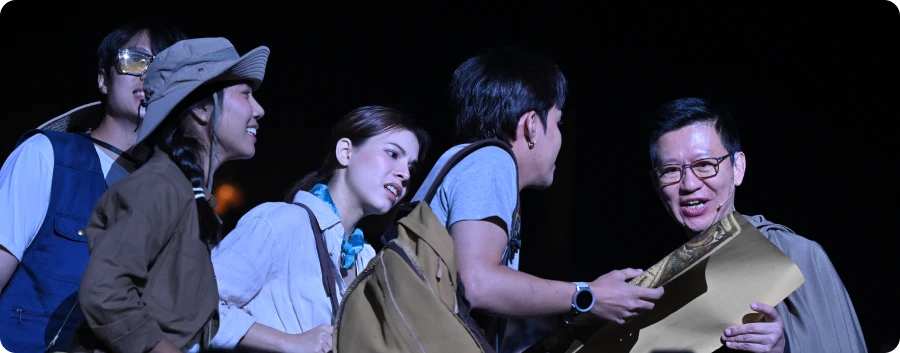
A recurring sales and recruitment briefing had suffered a 43% participation drop-off, so the agency stopped treating it as a standalone seminar and embedded it in a continuing serialized story — a themed season each cycle (Mountains, Desert, Seas, Jungle) with progression from one to the next.
The relaunched campaign maintained 820 participants throughout the season, and the following year’s Orientation Day drew 700+ attendees and 970 final campaign registrants.
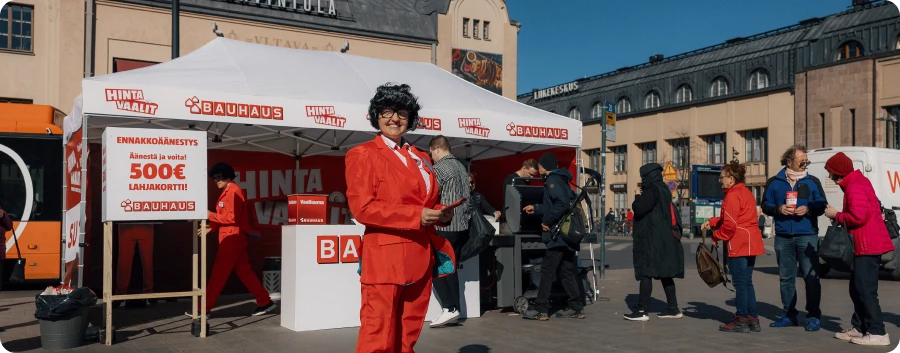
Facing a period where political advertising would drown out any retail ad, BAUHAUS entered the moment instead of competing with it, mirroring the exact rituals of Finland’s municipal elections and culminating in a broadcast mock results night.
Ad recall reached 61%, positive differentiation hit 49%, and the Grand Results Night achieved 579,000 average TV viewers plus over 500,000 more through digital live environments.
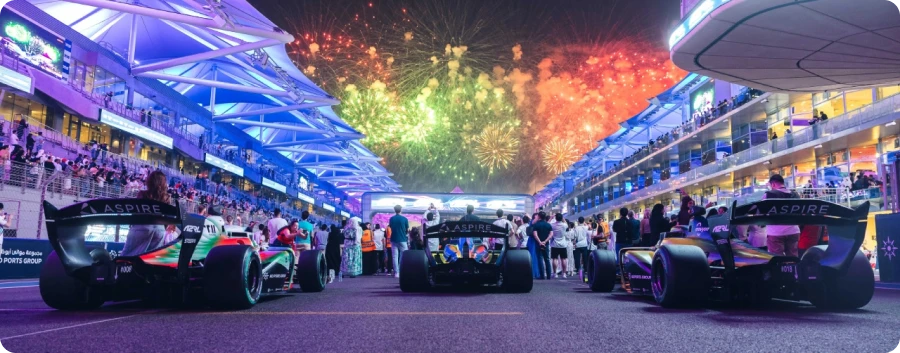
To keep the circuit alive beyond its single annual Grand Prix, Ethara built a year-round calendar of recurring community programming: TrainYAS opens the track weekly for free to walkers, runners and cyclists, while Yas in Schools runs hands-on model-car engineering challenges culminating in a live National Finals.
TrainYAS recorded 60K+ visits, and the schools program reached 30K students in a year (+13% vs target) with livestream viewership up 41% year-on-year.
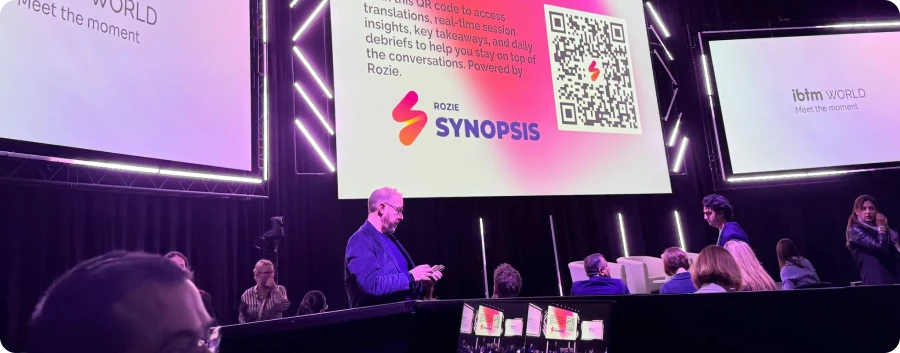
Because most event content is forgotten within a day, Rozie packaged transcripts, summaries, audio highlights, and trend reports into a gated Knowledge Hub that stays live year-round, paired with an AI Q&A advisor grounded in that content, giving attendees a reason to keep returning to the event brand between editions.
At events using the Hub, up to 70% of engaged attendees re-registered for the next edition; the hubs delivered 4-5x more interaction than traditional post-event content, and one event’s sponsor received 923 additional leads.
Creators and cultural icons can carry credibility that no brand voice can buy — but the mechanism matters more than the name. The strongest work here ranges from secrecy-guarded surprise reveals to handing broadcast rights to hundreds of streamers, and the difference between a promotional interruption and a genuine cultural moment usually lives in how the strategy is structured.
Secure a voice that credibly embodies your subject and distribute it through social channels so it extends reach far beyond the room, acting as a viral hook.
Select community members from the regions where the brand resonates so attendees feel authentically represented and the content speaks straight to those core audiences.
Keep rehearsals and disclosure tightly controlled, and build suspense with programming cues (lighting shifts, escalating sound, ambiguous transitions) rather than an announcement, so the audience experiences the reveal as shared discovery.
Have the chairman or CEO personally perform the hero activity on camera rather than deliver a keynote, so the proof is embodied and built for sharing.
Plan entrance flow, stage positioning, lighting and brand zones around what looks good on camera, so creators produce ready-to-post material in real time rather than posting as an afterthought.
Script dramatic action beats at fixed points in the show and embed safe filming angles and lighting there, so guests and press have a predictable, camera-ready moment to capture.
Give speakers, committee members, and abstract presenters content and milestones to share within their own professional networks rather than relying solely on traditional marketing.
Bring in a well-known figure for an intimate fireside conversation that blends personal resilience and strategy with business themes, giving executives a memorable moment beyond standard keynotes.
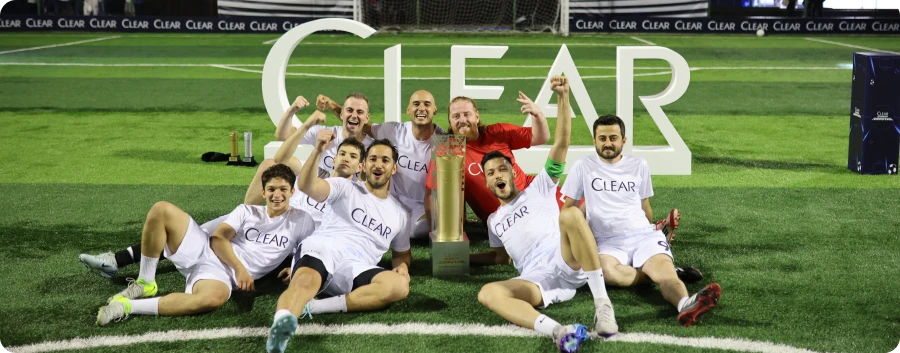
Clear wanted fans to genuinely follow a branded football activation rather than watch a one-off promotional match. GOSU Agency invited creators and celebrities to compete as real teams in a structured, multi-match bracket tournament, then staged the team selection itself as a filmed public draft.
The draft phase alone produced over 100 YouTube Shorts and more than 4 million organic teaser views before the tournament started; the final match livestream reached 1.8 million views, and the campaign overall generated 300M+ video views and reached 80M+ people.
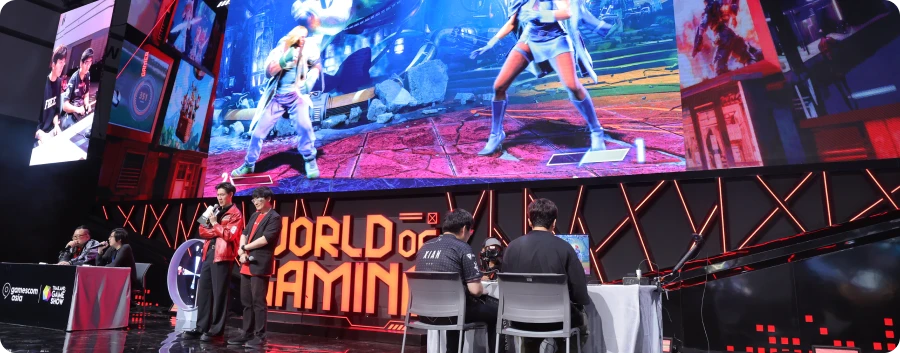
The Primetime global kickoff was executed as a global media event by granting official co-streaming rights to hundreds of local and international influencers, who simulcast the show on their own channels at the same time.
The approach bypassed traditional media gatekeepers and helped the event reach over 1.1 billion digital views, with #GCAxTGS2025 trending #1 in multiple Asian territories for four consecutive days.
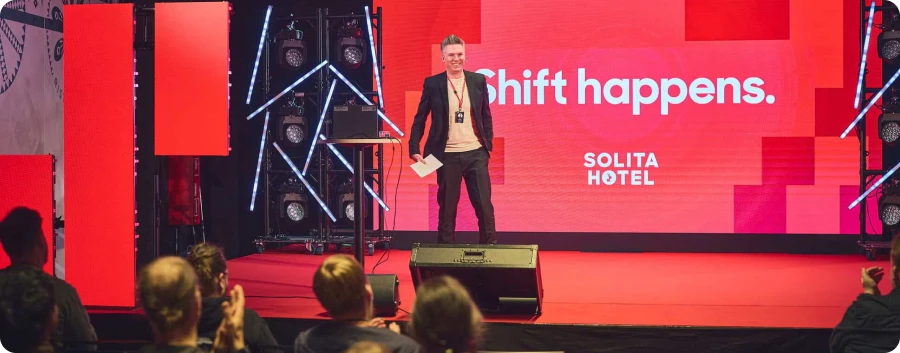
To build external buzz for an internal staff event without paid promotion, the team booked an entire hotel anonymously through a “mystery booker,” sparking national press speculation before anyone knew the purpose.
It generated coverage in 18 national/regional Finnish media outlets including Helsingin Sanomat, over 3 million combined impressions, near €1 million estimated earned media value, zero paid spend, and a 38% increase in job applications afterward.
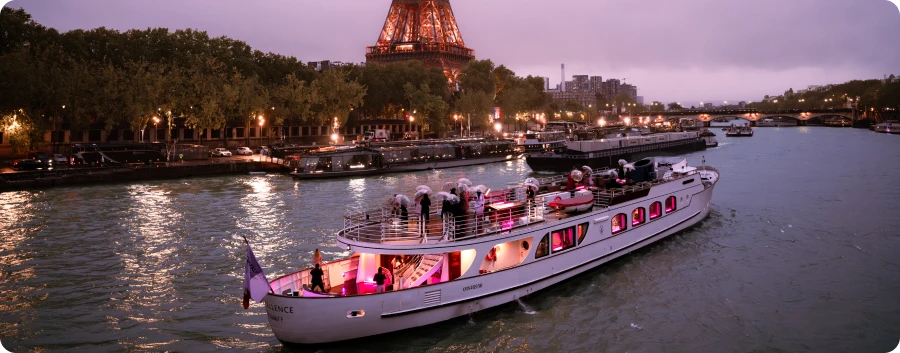
Rather than casting the biggest global names, Brutal Fruit brought together creators and community members from Greater Africa and Brazil — the markets where the brand has deep cultural resonance — so attendees felt authentically represented.
The choice drew national television features in South Africa and the deep resonance the brand was after.
Networking is the reason most people attend a business event, yet it’s the part most often left to chance — a coffee break and a hope. The winning entries treat connection as something you engineer: capped groups, choreographed room flow, scheduled bilateral meetings, and formats that lower the social barrier before anyone has to introduce themselves. The mechanisms range from a furniture swap to an AI matchmaking layer, but they share one belief — purposeful connection as a design outcome.
Replace logo placement and expo tables with a model where partners actively host intimate experiences for attendees, turning sponsorship into facilitated engagement rather than passive branding.
Cap group sizes and build dedicated formats for specific segments rather than relying on open mingling — 20-person roundtables, an executive summit, industry-specific meetups, lunch discussions — and run many in parallel with tight operational planning.
Put people into a low-pressure joint activity — sport, craft, culture — so doing something together lowers the barrier that talking alone raises.
Use AI or an app to recommend matches on real project interests — not generic contacts — then formalize each match into a booked on-site 1:1 so exploratory chat becomes concrete dialogue.
Consolidate content, networking and exhibitions into one central hub that delegates constantly pass through, so casual discovery happens between sessions instead of requiring separate effort.
Position breaks before a ceremony and between segments while the room is still emotionally charged, and use a deliberate seating plan (circular tables, mixed stakeholder groups) to force cross-sector talk.
Build dedicated areas tailored to a visitor’s seniority or interest, pitched at their level of concern, so senior decision-makers talk strategy while others talk features.
Replace rigid front-facing seating with a mix of sofas, armchairs, dining tables and lounge tables so attendees self-select how they engage — focused, relaxed, or collaborative — which lowers social pressure and prompts spontaneous conversation.
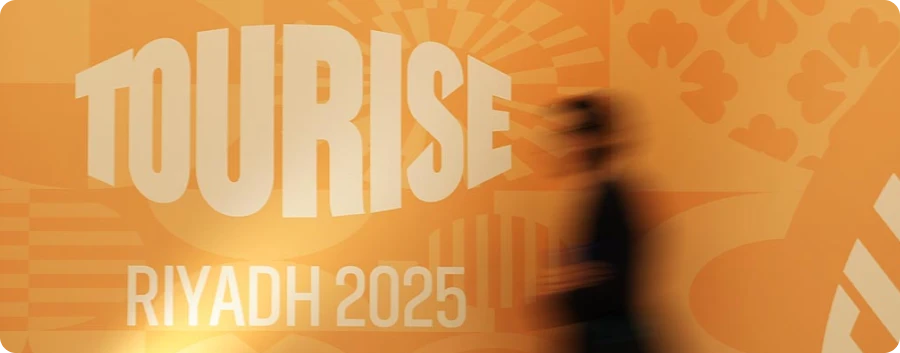
Organizers wanted deal-making to be an engineered outcome, not a byproduct of chance, on a compressed first-year timeline.
They built a dedicated business-matchmaking program with a target volume of scheduled 1:1s into the event structure, creating the conditions for concrete transactions. Three days produced 1,012 of those meetings, 40 signed memoranda of understanding, and 46 industry announcements.
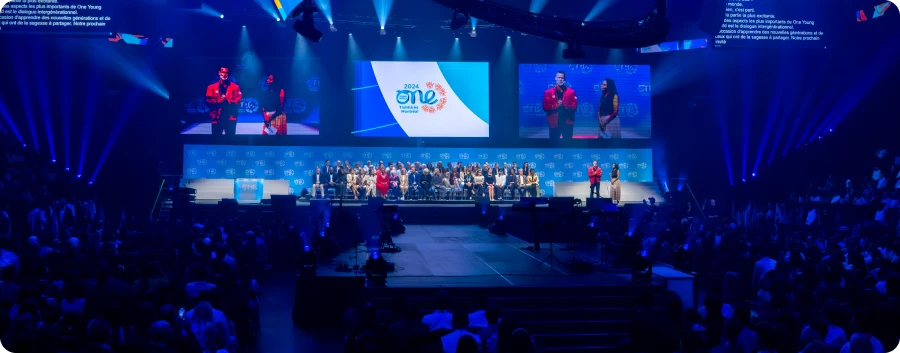
With 2,000+ delegates from 190+ countries, the Summit integrated the Braindate one-to-one networking platform — a tool that lets attendees book structured meetings with each other — alongside mentorship and interactive discussions. Delegates booked 3,027 of those conversations, and 98.5% said they left with new connections worth pursuing.
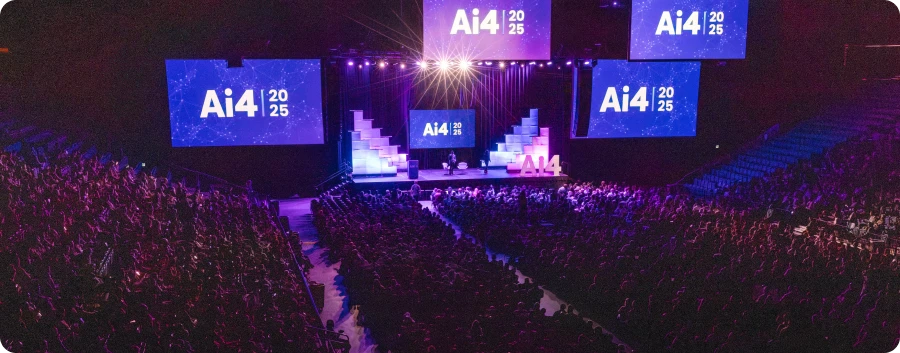
With nearly 7,000 attendees, the team needed networking to feel personal rather than anonymous. They designed intimacy as a constraint — 20-person roundtable caps, lunch discussions, an executive summit and industry-specific networking — run in parallel at scale instead of open mingling.
Of the attendees surveyed, 92% said those conversations turned into partnerships or vendor deals, while 85% of exhibitors rated the quality of their buyer conversations as excellent or very good.
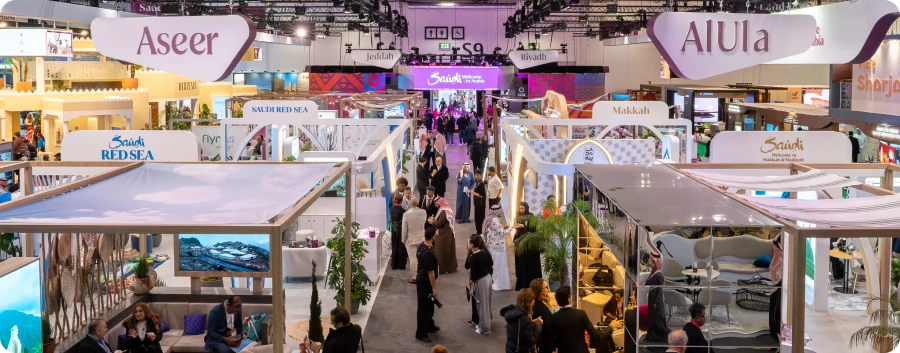
With 71 tourism partners sharing 2,000 sqm, the design used a monumental entrance gateway and central activation arena to pull passers-by off the main aisles and route them sequentially past every partner cluster, distributing footfall evenly rather than letting it pool at one point.
The pavilion accommodated continuous visitor flow and nearly 500 high-level trade meetings hosted on-site.
Engagement doesn’t happen because you called an event “immersive” or “unforgettable.” It happens because you built the mechanisms that make people participate — deliberate choices, tested on real floors, refined across award-winning work.
The goal never changes, even as the methods do: give people a genuine reason to lean in, take part, and come back. Design for that, and the adjectives will take care of themselves.
Now go build something worth showing up for.
By providing your contact information, you agree to our Privacy policy, and you authorize Eventex Awards to contact you with more relevant information about the awards. You can unsubscribe at any time via the “Unsubscribe” button at the end of each email.


Founded in 2009 to celebrate creativity, innovation and effectiveness in the industry, today Eventex Awards is the most esteemed accolade in the world of events and experiential marketing.
Need help with choosing the right categories? We'll help you select the optimal categories for your events and projects.
Get the latest Eventex news, updates, and special offers delivered directly to your inbox.
Subscribe to our newsletter
.webp)
.webp)


